
Reviewed · WALKING TOURS
Gjirokaster Walking Tour
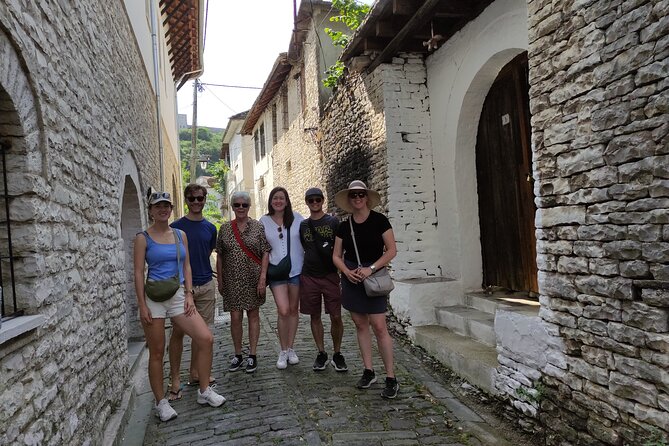
Gjirokaster’s best stories are tucked inside its steep lanes and old family houses, not just printed on a castle sign. This two-hour walking tour links the bazaar, traditional streets, museum houses, and the area around the castle with a local English-speaking guide who can adjust the visit to your interests.
I like the chance to visit the Skenduli House, where the rooms and household details help explain how an Ottoman-era family lived. I also like the small-group limit of 30 people and the low $17.75 price, which makes a guide a sensible buy if you want more than a quick walk through town.
The main consideration is the terrain. Gjirokaster is hilly and paved with old stone, so you should have moderate physical fitness and wear shoes that feel steady on uneven streets. Food, drinks, and anything beyond the guide are not included.
In This Review
- Key points at a glance
- Why a guide helps in Gjirokaster
- Starting in the bazaar on Rruga Zejtareve
- Walking the traditional streets and stone houses
- Inside the Skenduli House
- The castle area and the route’s finish
- What $17.75 buys you
- Group size, language, and pace
- Who should book this walk
- Practical advice before you go
- How this tour compares with walking alone
- Should you book the Gjirokaster Walking Tour?
- FAQ
- Where does the Gjirokaster Walking Tour start?
- Where does the walking tour end?
- How long does the tour last?
- What language is the tour offered in?
- What places are included in the route?
- Is admission included?
- How much does the tour cost?
- How many people can join the tour?
- Can I cancel for a full refund?
Key points at a glance
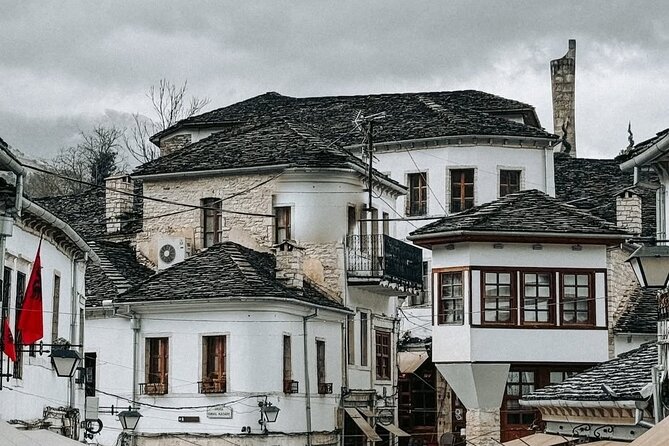
- A two-hour introduction to Gjirokaster: See the bazaar, old streets, museum houses, and castle area in one compact walk.
- Skenduli House adds real household detail: The visit can show you how an Ottoman owner’s family lived, rather than leaving the past as a collection of dates.
- The guide can adapt the route: You may be able to spend more time on the places that interest you most.
- English-language guiding: The experience is offered in English, useful if you want context as you walk.
- A low-cost way to get oriented: At $17.75 per person, the tour can help you decide what deserves a longer visit later.
- Expect uphill walking: Moderate fitness is advised, and the route finishes under the castle rather than at the starting point.
Why a guide helps in Gjirokaster
Gjirokaster can look straightforward at first. You walk through the bazaar, climb toward the castle, admire the stone houses, and feel that you have seen the old town. The trouble is that much of the town’s meaning is easy to miss without someone explaining how the buildings worked and who used them.
A local guide gives those streets a human scale. The old houses are not simply attractive stone structures. Their size, layout, and defensive character tell you something about family life, status, privacy, and daily routines. That kind of detail is hard to pick up from a self-guided stroll.
The strongest part of this tour is its focus on places where people lived. The bazaar gives you the public side of Gjirokaster, with its commercial streets and traditional buildings. The family houses give you the private side, showing how wealthier households arranged their rooms and managed everyday life.
You also get a broad view of the town in a short time. If you have only a day in Gjirokaster, two hours with a guide can provide a useful framework. Afterward, you can return to the bazaar, castle, or a house museum with a better sense of what you are seeing.
A few more Gjirokaster trips to weigh up
- Gjirokaster walking Tour Baazar – The Castle – Zekate house
★ 4.6 · 21 reviews - Walking Tour Baazar – The Argjiro Castle – Zekate house
★ 4.5 · 18 reviews - Walking Tour “The Old Bazaar, Cfake, Dunavat, Ali Pasha Bridge”
★ 5.0 · 10 reviews
Starting in the bazaar on Rruga Zejtareve
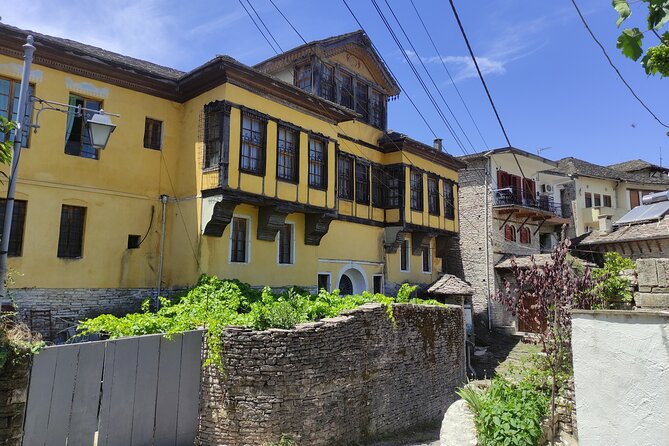
The meeting point is the Gjirokaster Free Walking Tour office at Rruga Zejtareve 2. This places you in the bazaar area, a practical starting point because the market streets are among the town’s most recognizable features.
The bazaar is where Gjirokaster feels most social and public. Its traditional streets give you a first look at the town’s stone architecture and steep layout. Rather than rushing straight uphill, the tour begins by helping you understand the old commercial center.
This opening section should suit you if you like to get your bearings before tackling a castle or museum. The guide can point out how the streets connect and explain why the bazaar matters to the town’s identity. Since the entire visit lasts about two hours, you should expect an introduction rather than an exhaustive examination of every shop or building.
There is also a practical advantage to starting here. The bazaar is easy to recognize, and the meeting point is near public transportation. Check the exact meeting instructions before setting out, since the tour begins at a specific address on Rruga Zejtareve.
Walking the traditional streets and stone houses
From the bazaar, the route takes you through Gjirokaster’s traditional streets and toward its museum houses. This is the part of the tour where the town’s physical character becomes most important.
The old streets are not flat city sidewalks. You will walk on sloping, uneven stone surfaces, and the route requires a moderate level of fitness. I would choose practical shoes rather than anything made for appearance alone. The short duration helps, but two hours of uphill and downhill walking can still feel demanding.
The payoff is the architecture. Gjirokaster’s houses are built in a style that reflects both family wealth and the need to protect the household. A guide can help you read those features instead of treating them as background scenery. Look for explanations of how rooms were used, how families were separated within a large house, and what the building style suggests about social life.
The tour’s flexible approach is useful here. If you are more interested in architecture, household customs, or the town’s past, you can ask the guide to spend more time on those subjects. That option matters because a fixed route can sometimes give every stop equal time, even when one subject is clearly more interesting to you.
Inside the Skenduli House
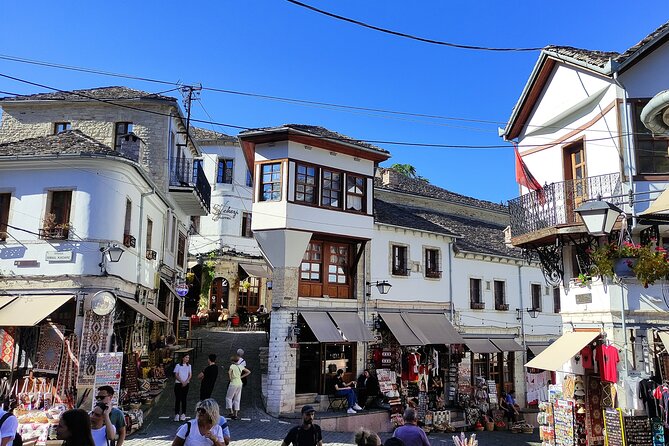
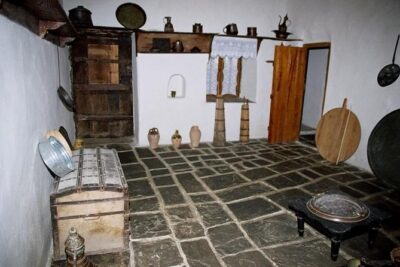
The Skenduli House is the clearest example of why this walk is more than a basic orientation tour. It offers a look at the way an Ottoman owner’s family lived, with the guide explaining the rooms and household arrangements.
A family house can tell you things a general city view cannot. You can begin to understand how daily life was organized, how different parts of the household may have been used, and why the building’s design mattered. The details make the past easier to picture without turning the visit into a dry list of dates.
I would pay close attention to the guide here and ask questions. One of the tour’s strengths is the chance to adapt the visit to your interests, and the house is a natural place to do that. Ask about the family, the purpose of individual rooms, and the way the house fits into Gjirokaster’s wider traditions.
The information provided does not promise that every departure includes the same amount of time inside the house, so you should treat it as a featured possibility within the route rather than a guaranteed private visit. Still, it is clearly one of the most worthwhile elements to look forward to.
Same coast, a completely different kind of day:
- Sarandë: Tour Gjirokaster,Blue Eye & Lekursi Castle
★ 4.7 · 220 reviews - Saranda Hidden Gems: Sunset at Lekursi,Blue Eye&Wine Tasting
★ 4.9 · 20 reviews - Day Tour to Permet Thermal Baths and Langarica Canyon
★ 5.0 · 18 reviews - Gjirokastër: Traditional Albanian Vegetarian Cooking Class
★ 4.4 · 17 reviews
The castle area and the route’s finish
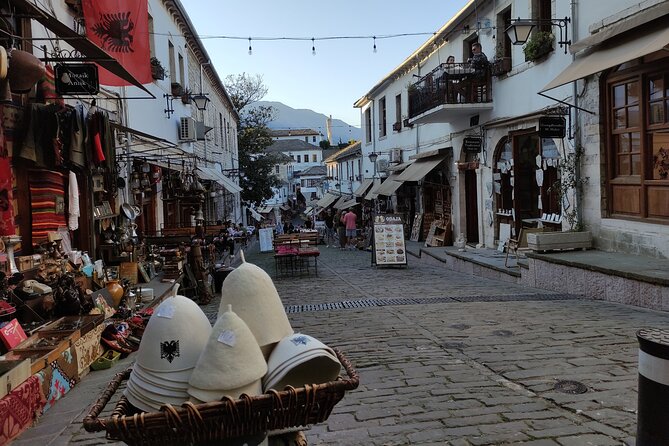
The walk ends under the castle at Rruga Gjin Bue Shpata, near the castle. Finishing here gives the tour a natural upward direction, moving from the bazaar and residential streets toward one of Gjirokaster’s major landmarks.
The end point is useful because it leaves you near the castle area rather than sending you back to the starting point. You can use the rest of your day to consider the castle on your own, if you have time and want to explore it separately. The tour itself is focused on the surrounding area and the town’s streets and houses, so do not assume that the castle’s full interior visit is included.
This separate start and finish also affects planning. You need to be comfortable finding your way from the end point afterward, though the destination is clearly described as being near the castle. If you are meeting a driver or have a tight schedule, allow a little extra time after the two-hour walk.
The castle area provides a useful final piece of context. From there, the route’s earlier stops make more sense as parts of one old hill town: commercial streets below, family houses along the slopes, and a major fortified landmark above.
What $17.75 buys you
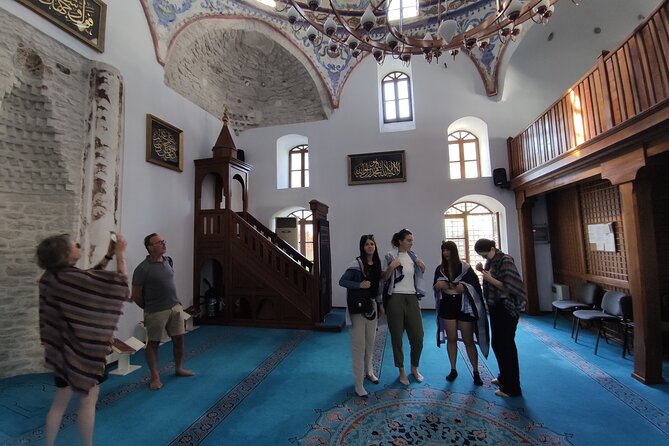
At $17.75 per person, this is priced as an accessible introduction rather than a premium private tour. The guide is the main inclusion, and that is where the value lies. You are paying for explanations, local context, and a route that connects the bazaar, houses, and castle area.
The price looks especially fair if you are visiting Gjirokaster for the first time. A self-guided walk costs less, but it also leaves you to work out what you are looking at. If the Skenduli House and other family homes are central to your interest, a guide can make those stops far more useful.
The value is less clear if you prefer to wander alone and read at your own pace. The tour covers a lot in two hours, and you may want to return to a favorite street or house afterward. Think of it as a foundation for exploring, not a replacement for every museum visit in town.
Food and drinks are not included. That is easy enough to manage, since the walk lasts about two hours, but plan your refreshments separately. The tour includes only the guide, so check any admission arrangements for places you may want to enter beyond the stated walking route.
Group size, language, and pace
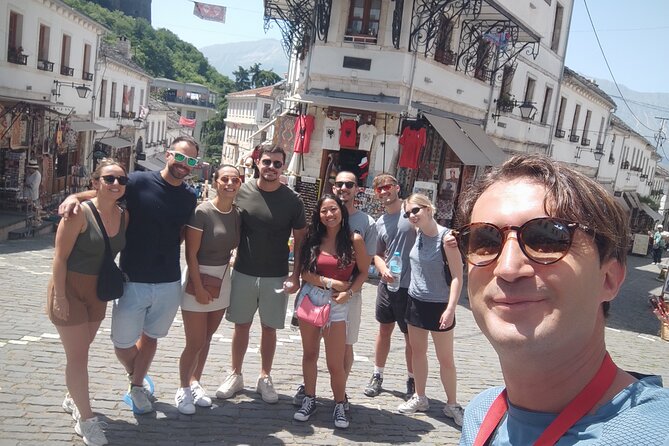
The group can include up to 30 people. That is not a private walk, and a group of that size may feel less personal than a small family tour. On the other hand, the cap prevents the group from becoming completely unwieldy, and the guide should still be able to lead a clear city walk.
The experience is offered in English. That makes it a straightforward choice if you want explanations in English while moving through the town. The guide’s role is especially important in the family houses, where the meaning of rooms and household details may not be obvious from signs alone.
The pace will depend on the group and on how much time is spent at the houses. Because the route includes slopes and old paving, you should not plan it as a fast exercise. Give yourself room to stop, listen, and look around.
The guide can adapt the visit according to your wishes. That does not mean every request can be guaranteed, particularly in a group, but it is a useful feature if you have a particular interest in architecture, family life, or local history.
Who should book this walk
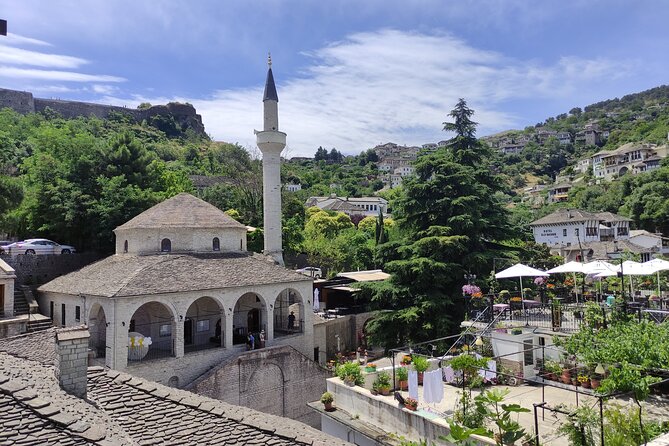
I would recommend this tour to first-time visitors who want a clear introduction before exploring Gjirokaster independently. It also suits anyone who has looked at photos of the stone houses but wants help understanding how those buildings functioned.
It is a good match for you if:
- You want a short, structured visit rather than several hours of sightseeing.
- You value local explanation more than a large number of formal attractions.
- You are curious about Ottoman-era family homes and daily life.
- You want to see the main old-town areas without planning the route yourself.
- You are comfortable walking on sloped, uneven streets.
- You are visiting in English.
You may prefer to skip it if you strongly dislike group walks or want a private guide. The maximum group size is 30, and only the guide is included. You may also want a different plan if your mobility makes steep streets difficult.
Practical advice before you go
Wear shoes with a firm sole. The old paving and hills are the main physical issue, and comfortable footwear will make it easier to pay attention to the guide instead of watching every step.
Bring water, since drinks are not included. A small bag is easier than bulky luggage on narrow streets, though the tour information does not specify luggage storage.
Allow time before the start to reach Rruga Zejtareve 2. The meeting point is near public transportation, but you should still confirm the address and arrive ready to begin in the bazaar area.
At the end, you will be under the castle on Rruga Gjin Bue Shpata. That is a different location from the start, so plan your onward route. The finish can be convenient if you want to continue toward the castle, but less convenient if you expect to return automatically to the bazaar.
The experience requires good weather. If poor weather cancels the walk, you can be offered another date or a full refund. The tour also requires a minimum number of people, so a cancellation for that reason comes with the option of another date or experience, or a full refund.
Free cancellation is available up to 24 hours before the start time. Canceling or changing the booking less than 24 hours ahead does not qualify for a refund, and the cut-off follows local time.
How this tour compares with walking alone
Walking alone gives you complete control. You can stop for coffee, browse at your own pace, or spend an hour photographing one street. It also costs less if you do not pay for any guide.
The weakness is context. You might recognize the castle and notice the stone roofs, but miss the social clues in the houses. You may also pass the Skenduli House without understanding why it matters.
This guided route makes sense as a first walk. You get the basic structure of the town, hear explanations as the buildings appear, and finish near the castle. Then you can decide where to return and what to explore more slowly.
For many people, the best plan is not guide versus independent sightseeing. It is a guided introduction followed by free time. The two-hour format leaves room for that approach, and the modest price keeps the plan from taking over your whole day.
Should you book the Gjirokaster Walking Tour?
Book it if you want Gjirokaster to make sense, not just look attractive. The bazaar, traditional streets, family houses, and castle area form a strong overview, and the Skenduli House gives the walk a particularly useful connection to everyday life.
At $17.75, the tour offers good value for a first visit, especially if you are traveling in English and have only a short time in town. The main trade-off is the hilly route and the possibility of a group of up to 30 people.
My practical call: choose this walk early in your stay, wear sensible shoes, and keep time afterward for the castle or a return visit to the bazaar. Skip it only if you want a private experience, dislike guided groups, or cannot comfortably manage Gjirokaster’s steep old streets.
FAQ
Where does the Gjirokaster Walking Tour start?
The tour starts at Gjirokaster Free Walking Tour, Rruga Zejtareve 2, Gjirokastër, Albania.
Where does the walking tour end?
It ends under the castle at Rruga Gjin Bue Shpata, Gjirokastër 6001, Albania, near the castle.
How long does the tour last?
The tour lasts approximately two hours.
What language is the tour offered in?
The tour is offered in English.
What places are included in the route?
The route includes the Gjirokaster Bazaar, traditional streets, museum houses, and the area around the castle.
Is admission included?
The tour information lists the itinerary with admission ticket free. The only stated inclusion is the guide, so food, drinks, and other expenses are not included.
How much does the tour cost?
The listed price is $17.75 per person.
How many people can join the tour?
The experience has a maximum group size of 30 people.
Can I cancel for a full refund?
Yes. You can cancel at least 24 hours before the experience start time for a full refund. Cancellations or changes made less than 24 hours in advance are not refunded.
Just added around Gjirokaster
- Vlora, Llogara & Dhërmi: Albanian Riviera from Durres/Golem★ 4.9 · 7 reviews
- Walking Tour “The Old Bazaar, Cfake, Dunavat, Ali Pasha Bridge”★ 5.0 · 10 reviews
- Wood Crafting Experience in Gjirokastra★ 4.5 · 10 reviews
- Vegetarian Cooking Class @Teta Marjeta★ 5.0 · 11 reviews
- Cooking Class★ 4.5 · 12 reviews
- Gjirokastra Private Half-Day Walking Tour★ 5.0 · 3 reviews
- Gjirokaster – The Stone City of UNESCO, Private Tour from Tirana★ 4.5 · 4 reviews
- Prepare Osa with Teta Marjeta★ 4.5 · 7 reviews
Walking Tours, compared.
Blue Eye Kayak and walking tour & Lekursi Castle
Read our review →

Tirana Stroll Tour, Walk and Taste Qofte & Raki!
Read our review →
Tirana’s Communist Past; Small Group Walking Tour
Read our review →Browse the lists this tour appears in