
Reviewed · ALBANIAN COOKING EXPERIENCES
Gjirokastër: Traditional Albanian Vegetarian Cooking Class
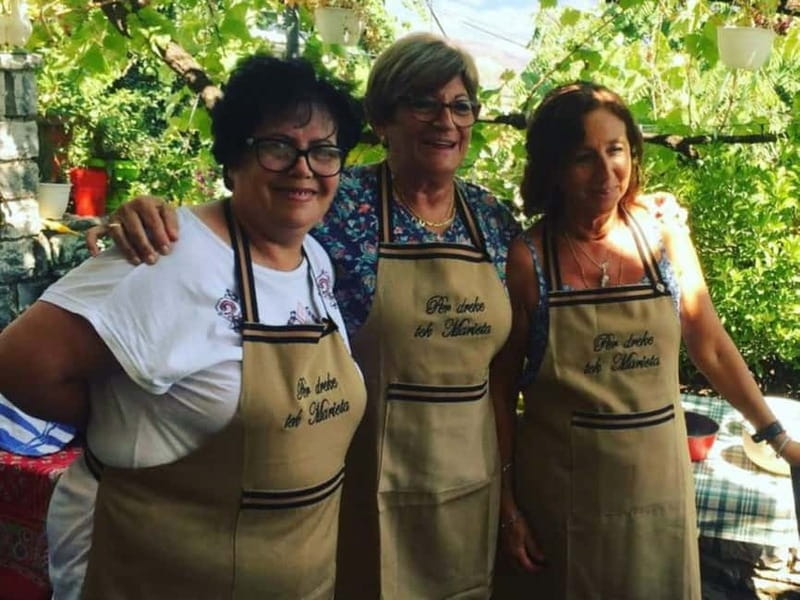
The best part of this Gjirokastër cooking class is its setting: you leave Çerçiz Topulli Square and walk into Pazar i Vjetër, one of the town’s oldest neighborhoods, to cook in Marjeta’s home. This is not a restaurant demonstration. You meet a local couple, work through three Albanian dishes, and finish around the table with the food you helped prepare.
I like the small-group size, limited to 10 people, and the clear focus on local recipes. I also like that you receive detailed recipes at the end, so the class does not disappear when your holiday does. The main drawback is that there is only one cooking station, so some people may spend more time watching than chopping or stirring.
The $76 price is fair if you value a home setting, a full meal, drinks, translation, and recipes. It is less convincing if you expect hands-on cooking throughout or a menu full of fresh vegetables. Several dishes rely on rice, flour, eggs, yogurt, and sugar, and some of the cooking involves frying.
In This Review
- Key points at a glance
- Walking into Pazar i Vjetër
- Three dishes with a very local focus
- Qofte bobollaqe
- Qifqi, Gjirokastër’s signature rice dish
- Hasude for dessert
- A seasonal salad, then lunch around the table
- What the single cooking station means
- Is $76 a good value?
- Translation and the role of the guide
- Who should book this class?
- Practical details before you reserve
- Should you book the Gjirokastër cooking class?
- FAQ
- Where does the cooking class meet?
- How long does the activity last?
- What dishes will I prepare?
- Is the cooking class vegetarian?
- Are drinks included?
- Is a meal included?
- Is the class taught in English?
- How many people can join the class?
- Will I receive the recipes?
- Can I cancel for a refund?
Key points at a glance
- Old Bazaar setting: Walk from Çerçiz Topulli Square to Marjeta’s home in Pazar i Vjetër.
- Three vegetarian dishes: Prepare qofte bobollaqe, Gjirokastër’s qifqi, and the dessert hasude.
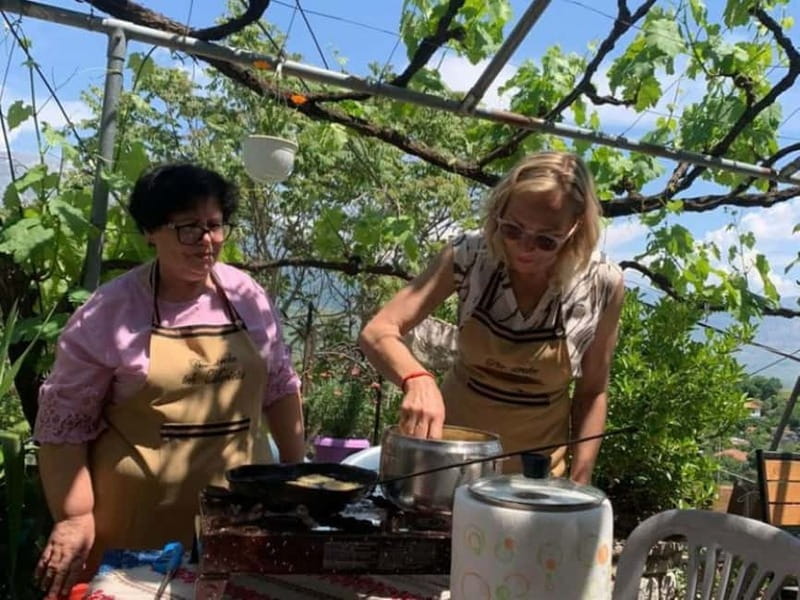
- Local hosts: Marjeta leads the cooking, with her husband and an English-speaking guide helping explain the process.
- Shared meal: Sit down with the group to eat the dishes you have made, plus seasonal salad.
- Drinks included: Choose from homemade wine, raki, soft drinks, and other beverages.
- Small but not fully hands-on: The group can include up to 10 people, but one cooking station means some participants mainly observe.
Walking into Pazar i Vjetër
Your meeting point is Çerçiz Topulli Square, a useful place to begin because it is central and easy to identify. Your guide waits in the square, then leads the group on foot toward Pazar i Vjetër, the Old Bazaar.
That short walk matters. You are not being taken to a detached cooking school with a generic classroom feel. The class is tied to one of Gjirokastër’s oldest areas, and the route gives the activity a sense of place before the cooking begins. You should wear comfortable shoes, since Gjirokastër is known for steep streets and stone paving, although the supplied details do not specify the exact walking distance.
At Marjeta’s home, you meet Marjeta and her husband. The class opens with a glass of raki or a soft drink. Raki is a strong local spirit, so choose the soft drink if you do not want alcohol at the start. Later, you can pair the meal with homemade wine, raki, or another beverage.
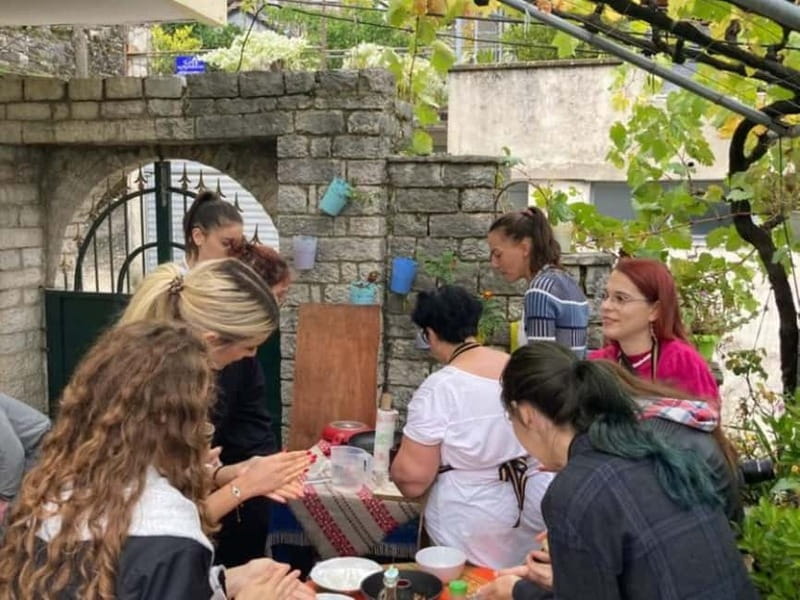
The home setting is one of the strongest reasons to book. You get a more personal look at Albanian food than you would from simply ordering a plate in a restaurant. The floral, welcoming house atmosphere has been especially well received, and the setting gives the meal a relaxed, social quality.
More albanian cooking experiences in Gjirokaster:
- Cooking Class
★ 4.5 · 12 reviews - Vegetarian Cooking Class @Teta Marjeta
★ 5.0 · 11 reviews - Cook Like a Local – Authentic Cooking Class in Gjirokastra
★ 3.2 · 4 reviews
Three dishes with a very local focus
The class centers on three vegetarian dishes. The menu is not designed as a broad survey of Albanian cuisine. Instead, it gives you a close look at a few specific preparations, including one strongly associated with Gjirokastër.
Qofte bobollaqe
The first dish is qofte bobollaqe, made mainly with yogurt. Despite the word qofte, which is often connected with meatballs in the Balkans, this version is part of the vegetarian menu.
The dish gives the class a useful reminder that Albanian cooking is not limited to grilled meat. Yogurt plays an important role here, and Marjeta guides you through the method rather than simply placing the finished dish in front of you.
You should expect instruction and translation as the class progresses. The guide helps explain the ingredients, steps, and questions from the group. Klarisa and Besjan have both been praised for clear English interpretation on different dates, while another guide helped explain the process and take photographs. The exact guide may vary, so do not assume a particular person will lead your session.
Qifqi, Gjirokastër’s signature rice dish
The most distinctive item is qifqi, a traditional Gjirokastër dish based mainly on rice. It is closely associated with the city, making it the dish I would pay closest attention to during the class.
Qifqi is also where the hands-on limitation may be most noticeable. With a single cooking station, one person may be preparing the dish while others watch. If you want every member of your party to handle each step, ask your guide early how participation will be shared.
Still, watching a local cook prepare a dish in the place where it belongs has real value. You learn the shape, texture, and cooking method in a way that a menu description cannot provide. Take notes if you care about repeating the recipe at home, although a written recipe is provided at the end.
A few more Gjirokaster trips to weigh up
- Tirana: Traditional Cooking Class with Wine & Raki Tasting
★ 5.0 · 284 reviews - Cooking Classes and Traditional food tasting in Tirana
★ 5.0 · 282 reviews - Traditional Albanian Cooking Class in Tirana & Raki Tasting
★ 5.0 · 266 reviews - Traditional Albanian Cooking Class in Tirana with Raki Tasting
★ 5.0 · 125 reviews
Hasude for dessert
The final dish is hasude, a traditional dessert made mainly with sugar and flour. It gives the meal a sweet finish and rounds out the class with a preparation that is different from the savory dishes.
Hasude is also part of the reason you should set expectations correctly. This is not a modern vegetarian workshop built around fresh produce, herbs, and several vegetable courses. The menu is traditional, simple, and centered on pantry staples. If you prefer classic sweets and want to learn a dessert you can make again, hasude is a useful addition. If you are looking for a lighter ending, it may feel heavy.
A seasonal salad, then lunch around the table
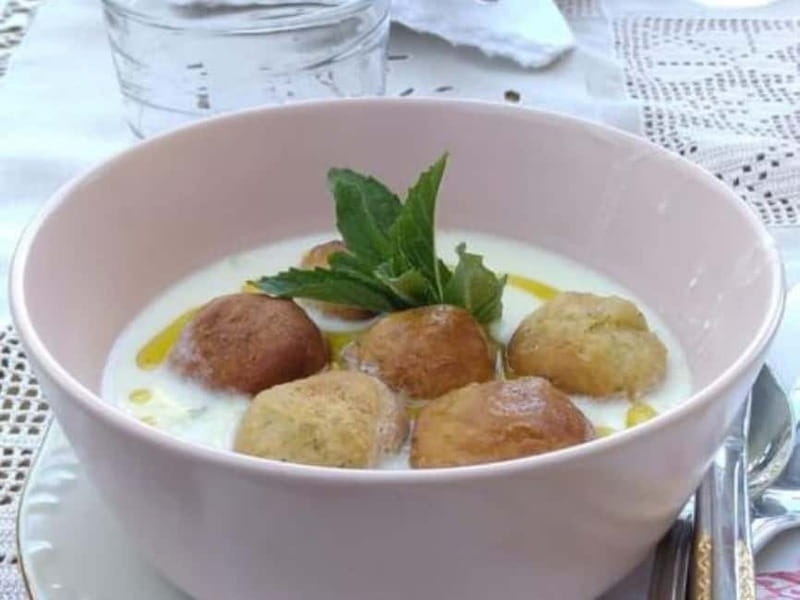
Marjeta prepares a seasonal salad in advance, and it accompanies the three dishes. This is welcome because it adds a fresh component to a menu that otherwise leans toward cooked and fried foods.
Once the cooking is finished, you sit with the group and eat the meal together. This shared table is not an afterthought. It is the point where the class shifts from instruction to conversation, and it gives you time to compare the dishes and ask follow-up questions.
You receive a complimentary glass of wine, raki, or a soft drink with the meal. Homemade wine and local raki add a distinctly Albanian touch, while soft drinks keep the meal accessible if you avoid alcohol.
The class lasts 150 minutes, or two and a half hours. That is enough time for the welcome drink, preparation, cooking, translation, and meal without turning the activity into a rushed demonstration. You may also sit and talk for a while after eating, according to the activity details and individual accounts of the class.
What the single cooking station means
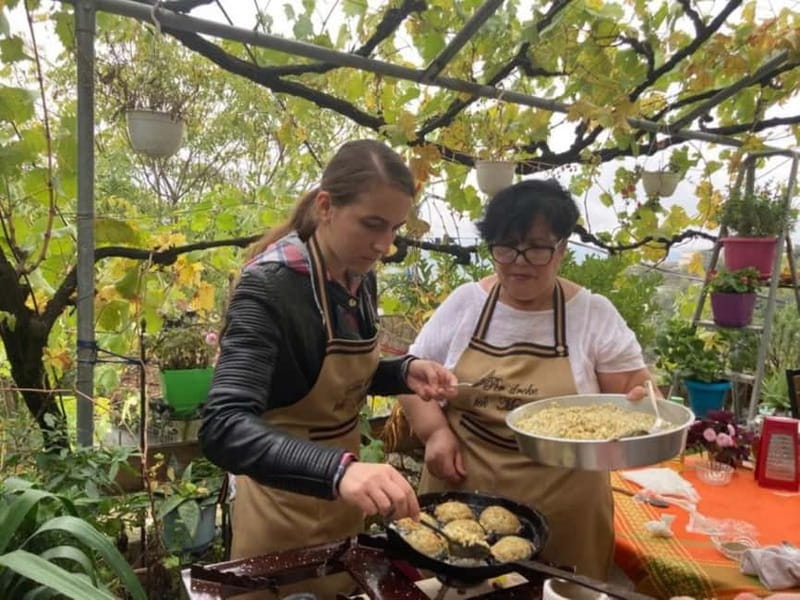
The biggest practical issue is participation. The class is limited to 10 people, but the kitchen has one cooking station. That means not everyone can be active at the same moment.
One person may mix, shape, or cook while the rest watch and listen. For some people, this is perfectly fine. You get a clear view of the technique, and the guide can explain what is happening without several people working in different corners.
For others, the format may feel closer to a demonstration than a cooking lesson. If you are booking as a couple or family, agree in advance about taking turns. Ask questions, volunteer for the next step, and keep your recipe notes nearby. The class is more rewarding when you treat observation as part of the lesson, while still making sure you get some time at the station.
This format also affects the price calculation. At $76 per person, you are paying for more than ingredients. The fee includes the home setting, host instruction, interpretation, kitchen facilities, aprons, a full meal, drinks, and recipes. But you are not paying for an intensive professional cooking workshop where every participant works continuously.
Is $76 a good value?
The price is on the high side for a two-and-a-half-hour meal activity in Albania, so the value depends on what you want from it.
I think the price makes more sense if you care about meeting local hosts, learning dishes tied to Gjirokastër, and eating in a private home. The Old Bazaar location, English support, drinks, and take-home recipes add substance. You also avoid having to arrange a separate meal after the class.
The value is weaker if your main goal is quantity of food or advanced technique. The ingredients are simple, and the menu relies heavily on rice, flour, eggs, yogurt, and sugar. Some people may find the dishes one-sided, especially because fresh vegetables play a small role beyond the seasonal salad.
The overall score is 4.4 out of 5 from 17 ratings, which fits the mixed picture. The strongest praise centers on Marjeta’s warmth, the friendly atmosphere, good translation, tasty traditional food, and the chance to sit and talk afterward. The lower scores focus on the limited menu, fried preparations, the one-person cooking setup, and the feeling that the cost is high for basic ingredients.
That is a useful pattern. The class succeeds as a local cultural meal with instruction. It is less successful as a fully practical cooking workshop.
Translation and the role of the guide
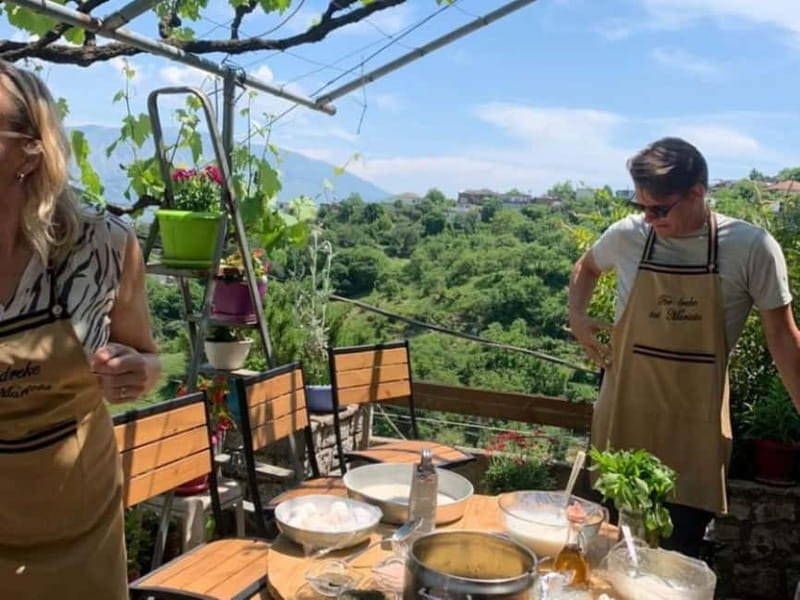
The activity is offered in Albanian and English. A live guide helps translate Marjeta’s instructions and explain ingredients, cooking steps, and questions.
Good translation matters here because the class is built around small details. You want to understand not only what to add, but why the dish is prepared that way. Klarisa has been singled out for patient, talkative English interpretation, and Besjan has also been praised for making communication easy. Another guide has helped with explanations and photographs during the session.
The guide may also help keep conversation moving between Marjeta, her husband, and the group. That is useful if you want more than a silent cooking demonstration. It also means the quality of your interaction depends partly on who is assigned that day, so the named guides should be treated as examples rather than a guarantee.
Who should book this class?
I would recommend it most strongly to you if you enjoy food as a way to meet people and understand a place. It suits couples, small groups of friends, and solo visitors who like sitting at a shared table and asking questions.
Vegetarians will find the menu straightforward, since the class is specifically built around vegetarian dishes. The activity also works for people who want a break from sightseeing and prefer a slower afternoon or evening at home with local hosts.
You should think twice if you need a highly active class. The single station can leave some participants watching for stretches of time. You should also consider your food preferences. The menu is traditional and filling, but it does not offer a wide range of vegetables or many different cooking styles.
This is also not the best choice if you are looking for a short activity. Two and a half hours gives the class room to breathe, but it takes a meaningful part of your day. The upside is that the meal is included, so the time serves as both a cooking lesson and lunch or dinner.
Practical details before you reserve
The meeting point is Çerçiz Topulli Square, where your guide waits. You then walk to Pazar i Vjetër. Starting times vary, so check availability for the date you want.
Your booking includes all ingredients, kitchen facilities, aprons, the full meal, local alcoholic drinks and other beverages, and detailed recipes for the dishes and more. Personal expenses are not included.
The group is limited to 10 participants. That is small enough for a more personal atmosphere, but it does not guarantee constant hands-on work because there is only one cooking station.
You can cancel up to 24 hours before the activity for a full refund. A reserve-now, pay-later option is available, which helps if your Gjirokastër schedule is still changing.
Should you book the Gjirokastër cooking class?
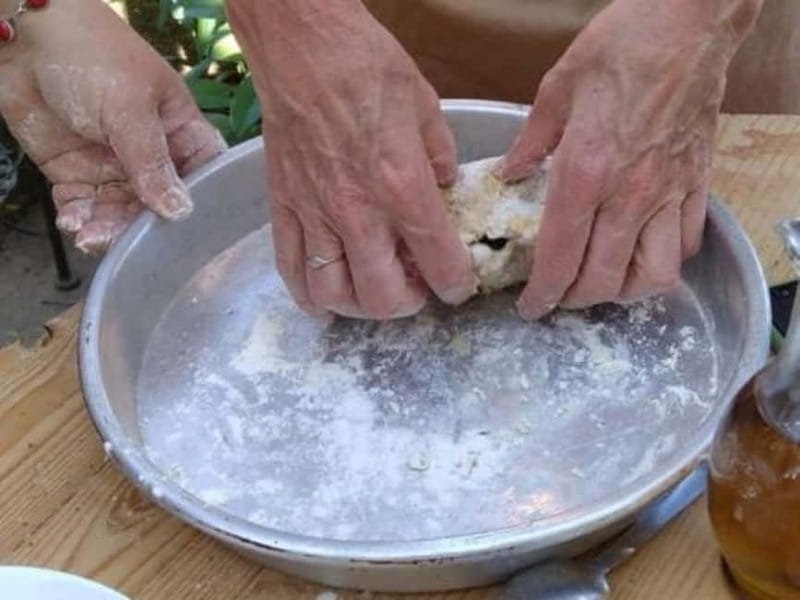
Book it if you want an intimate Albanian food activity in the Old Bazaar, enjoy traditional dishes, and value conversation with local hosts. The home setting, English translation, full meal, local drinks, and recipes make it more than a standard restaurant meal.
Skip it if you expect a vegetable-heavy menu, several cooking stations, or constant participation for every person. At $76, the class needs to deliver cultural connection as well as food, and that is exactly where it works best. Go for Marjeta’s home cooking and Gjirokastër’s qifqi, not for a broad menu or a chef-school format.
FAQ
Where does the cooking class meet?
Meet your guide at Çerçiz Topulli Square in Gjirokastër. From there, the group walks to Pazar i Vjetër, one of the oldest neighborhoods in town.
How long does the activity last?
The cooking class lasts 150 minutes, or two and a half hours.
What dishes will I prepare?
You will prepare three vegetarian dishes: qofte bobollaqe, qifqi, and hasude. Qofte bobollaqe is mainly made with yogurt, qifqi is mainly based on rice, and hasude is the dessert.
Is the cooking class vegetarian?
Yes. The menu is vegetarian and includes the three dishes listed above, along with a seasonal salad.
Are drinks included?
Yes. The class includes homemade wine, raki, a local alcoholic drink, soft drinks, and other beverages. You begin with a glass of raki or a soft drink and can choose a drink to accompany the meal.
Is a meal included?
Yes. After cooking, you sit down with the group and eat the dishes prepared during the class, accompanied by the seasonal salad and a beverage.
Is the class taught in English?
The live tour guide service is available in Albanian and English. An English-speaking guide translates and explains the cooking process.
How many people can join the class?
The activity is a small-group class limited to 10 participants.
Will I receive the recipes?
Yes. You receive detailed recipes for the dishes you prepare and additional recipes to use at home.
Can I cancel for a refund?
Yes. You can cancel up to 24 hours in advance for a full refund. A reserve-now, pay-later option is also available.
More Workshops in Gjirokaster
- Gjirokaster: Wood Crafting Class
★ 5.0 · 16 reviews - Berat Cooking Class- Traditional Albanian Cooking Class /By Vato
★ 5.0 · 120 reviews - Savor Albanian Cuisine Cooking Class with Mama Nina Berat Castle
★ 5.0 · 55 reviews - Cooking Class in Berat Slow Food Community
★ 5.0 · 34 reviews
Just added around Gjirokaster
- Vlora, Llogara & Dhërmi: Albanian Riviera from Durres/Golem★ 4.9 · 7 reviews
- Walking Tour “The Old Bazaar, Cfake, Dunavat, Ali Pasha Bridge”★ 5.0 · 10 reviews
- Wood Crafting Experience in Gjirokastra★ 4.5 · 10 reviews
- Vegetarian Cooking Class @Teta Marjeta★ 5.0 · 11 reviews
- Cooking Class★ 4.5 · 12 reviews
- Gjirokaster – The Stone City of UNESCO, Private Tour from Tirana★ 4.5 · 4 reviews
- Gjirokastra Private Half-Day Walking Tour★ 5.0 · 3 reviews
- Prepare Osa with Teta Marjeta★ 4.5 · 7 reviews
Albanian Cooking Experiences, compared.
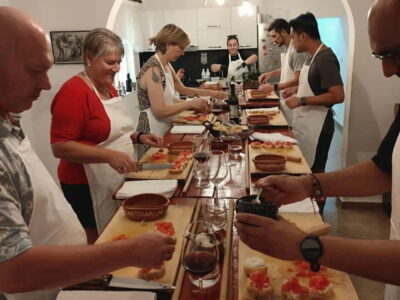
Traditional Cooking Class with Wine & Raki Tasting
Read our review →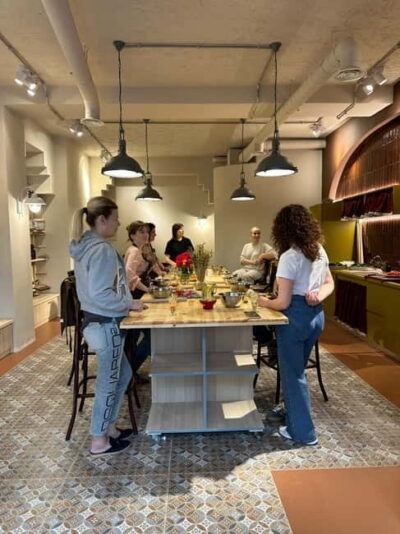
Traditional Albanian Cooking Class in Tirana & Raki Tasting
Read our review →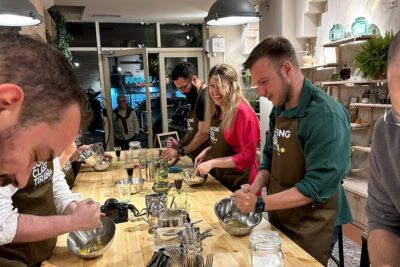
Traditional Albanian Cooking Class in Tirana with Raki Tasting
Read our review →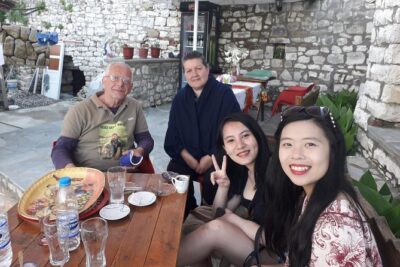
Berat Cooking Class- Traditional Albanian Cooking Class /By Vato
Read our review →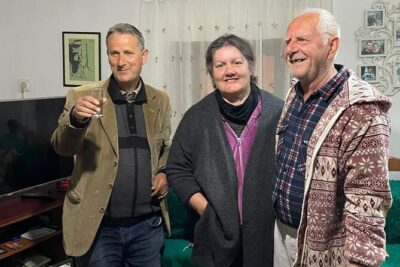
Savor Albanian Cuisine Cooking Class with Mama Nina Berat Castle
Read our review →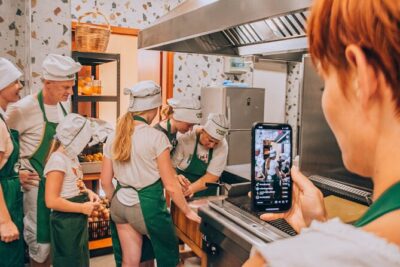
Tirana Cooking Class – Traditional Albanian Recipes
Read our review →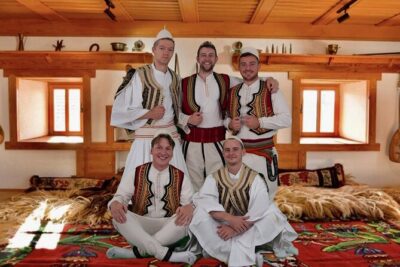
Tirana Photo Shoot in Traditional Albanian Costumes
Read our review →Browse the lists this tour appears in