
Reviewed · ALBANIAN COOKING EXPERIENCES
Cooking Class
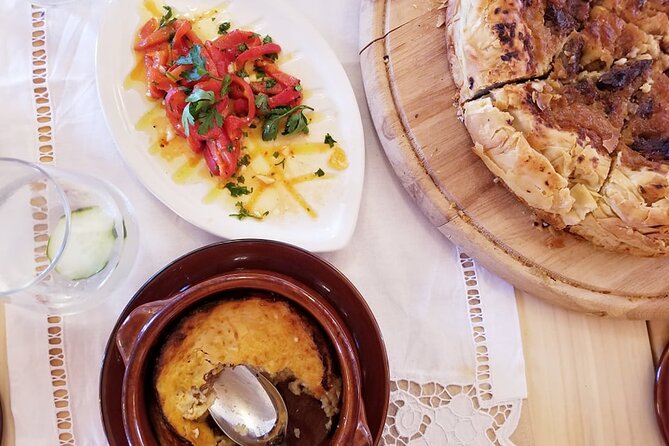
Gjirokaster’s old bazaar is a fine place to learn the city’s food, and this class gets you working with it rather than simply ordering it. You prepare qifqi rice balls, traditional OSA pasta with lamb, and hasude dessert, then sit down to eat the meal you helped make. I like the private format and the family recipes passed down through generations. I also like that you leave with written recipes and what you cooked at home.
The main caution is organization. The meeting address can be confusing, and the class may be held at Edua restaurant rather than at the address shown during booking. Contact the provider before you arrive, especially if your schedule is tight. The class is advertised at about two hours, but some sessions have lasted closer to one hour.
In This Review
- Key points to know before you book
- Cooking Gjirokaster food in the old bazaar
- Qifqi, the rice balls that define Gjirokaster
- OSA pasta with lamb brings the main lesson
- Hasude finishes the meal with butter and walnuts
- Mountain herbs, tea, and family cooking
- What the two-hour format is really worth
- Finding Edua in Gjirokaster’s bazaar
- Who will enjoy this class most
- Booking, cancellation, and a useful arrival plan
- Should you book the Gjirokaster cooking class?
- FAQ
- Where does the cooking class start?
- How long does the cooking class last?
- What dishes will I prepare?
- Is the class private?
- Is the class offered in English?
- Can I cancel for a full refund?
Key points to know before you book
- Three traditional dishes: Prepare qifqi, OSA pasta with lamb, and hasude when the full menu is offered.
- Private instruction: Only your group takes part, so you can ask questions and work at your own pace.
- A meal at the end: You eat the dishes you prepare, along with traditional appetizers and drinks.
- Bazaar setting: The meeting point is in Gjirokaster’s medieval bazaar, near public transportation.
- English support: The activity is offered in English, though translation may sometimes be handled by a family member.
- Confirm the location: Use WhatsApp or another direct contact before arrival because the address and booking details have caused confusion.
Cooking Gjirokaster food in the old bazaar
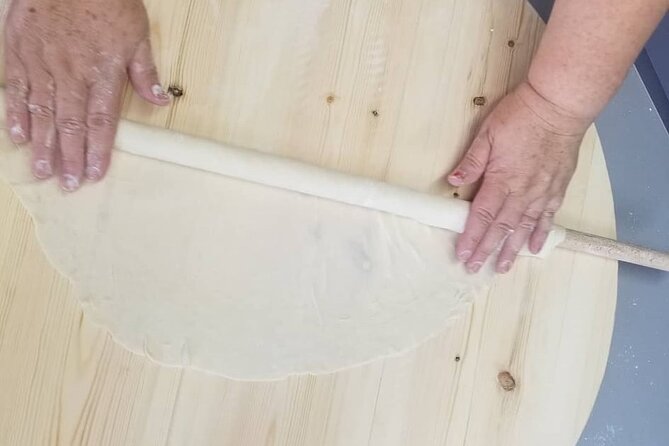
Food is one of the quickest ways to understand Gjirokaster. The city’s cooking comes from home kitchens, mountain produce, old family habits, and recipes that have changed very little over time. This class gives you a practical introduction to that food.
You meet on Rruga Gjin Shpata in the bazaar area, at or near Edua restaurant. The shopfront has open doors, and the setting is meant to feel more like entering a local family kitchen than attending a formal culinary school. That matters in Gjirokaster, where the old stone streets and bazaar shops are part of the experience.
The class is private, which is a real advantage. You are not trying to see over a crowded counter or waiting for your turn with a mixing bowl. Your group can ask for a slower explanation, repeat a technique, or spend more time talking about ingredients and local customs.
The advertised length is approximately two hours. In practice, the cooking portion can be shorter, sometimes around an hour, with the meal and conversation extending the visit. If you have a bus, a museum booking, or a fixed dinner reservation afterward, leave room in your schedule.
More albanian cooking experiences in Gjirokaster:
- Gjirokastër: Traditional Albanian Vegetarian Cooking Class
★ 4.4 · 17 reviews - Vegetarian Cooking Class @Teta Marjeta
★ 5.0 · 11 reviews - Cook Like a Local – Authentic Cooking Class in Gjirokastra
★ 3.2 · 4 reviews
Qifqi, the rice balls that define Gjirokaster
The first featured dish is qifqi, one of Gjirokaster’s best-known specialties. These are seasoned rice balls, usually shaped and cooked so they hold together while developing a savory outer surface. The dish looks simple, but shaping and seasoning are the parts that make the lesson useful.
You learn the process step by step rather than receiving a finished plate with no explanation. The class introduces you to the local use of herbs and spices, along with mountain teas and their traditional uses. The focus is not only on following instructions. It is also on understanding how these ingredients fit into everyday cooking in southern Albania.
Qifqi works well as a cooking-class dish because you can repeat it at home. The ingredients are less intimidating than the name may suggest, and the method gives you a clear connection to the food you eat at the end. If you enjoy bringing home recipes rather than souvenirs, this is one of the strongest parts of the experience.
Traditional appetizers may be served while you cook. Drinks are also part of the setting, though you should confirm exactly what is included. One person was asked to pay separately for a glass of wine and beer despite expecting drinks to be covered, so do not assume every beverage is included in the price.
OSA pasta with lamb brings the main lesson
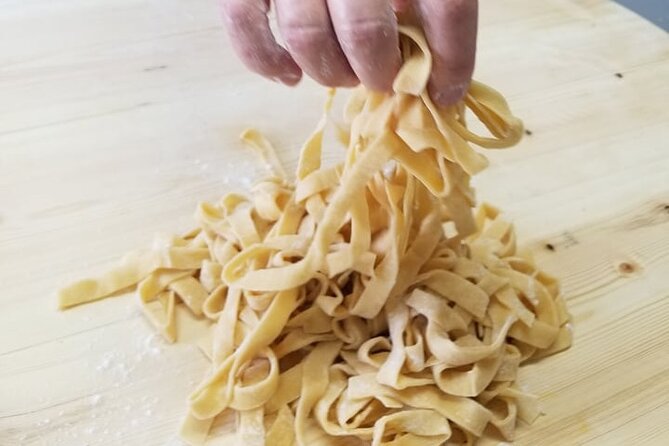
The main course is traditional OSA pasta with lamb meat. The class includes artisanal pasta, and the preparation gives you a better sense of how handmade dough and a hearty local meat dish fit together.
This is likely to be the most hands-on part of the class. You follow the chef’s lead, work through the preparation, and then taste the result at the table. The cooking does not depend on complicated restaurant equipment or advanced skills. That is good news if you want a recipe you can realistically attempt at home.
One important point: the full menu should include qifqi, OSA pasta, and hasude, but the exact order and amount of instruction may vary. In one session, the class ended after the pasta, even though three dishes had been expected. If the full menu matters to you, confirm it before starting, not after the first dish is finished.
Language can affect the rhythm. The activity is offered in English, but the main chef may not speak English directly. Translation can be provided by another member of the family. This arrangement may make the lesson a little less polished, but it can also keep the encounter personal and relaxed.
You may need to watch closely and copy the motions as you go. That hands-on method suits some people better than a long verbal explanation. If you want exact measurements or need a technique repeated, ask clearly and use the written recipe before leaving.
Hasude finishes the meal with butter and walnuts
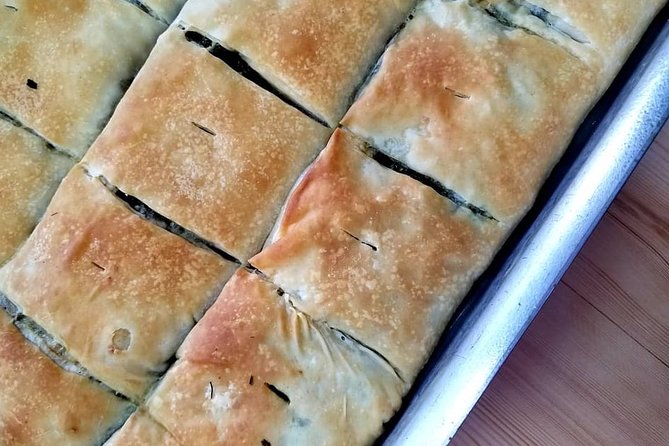
Dessert is hasude, made with starch, butter, and walnuts. It is a modest, traditional sweet rather than a showy pastry. The ingredients are familiar, but the method is what gives the dish its character.
Including dessert makes the class feel like a complete meal. You move from a small starter to a substantial pasta and lamb dish, then finish with something sweet. That progression also gives you three different types of preparation to remember.
Hasude is useful for home cooks because it does not require an elaborate list of ingredients. Still, ask for the written recipe and make sure you understand the cooking time and texture before you leave. The printed recipes are part of the value of the class. They let you recreate the dishes once the memory of Gjirokaster begins to fade.
A few more Gjirokaster trips to weigh up
- Tirana: Traditional Cooking Class with Wine & Raki Tasting
★ 5.0 · 284 reviews - Cooking Classes and Traditional food tasting in Tirana
★ 5.0 · 282 reviews - Traditional Albanian Cooking Class in Tirana & Raki Tasting
★ 5.0 · 266 reviews - Traditional Albanian Cooking Class in Tirana with Raki Tasting
★ 5.0 · 125 reviews
Mountain herbs, tea, and family cooking
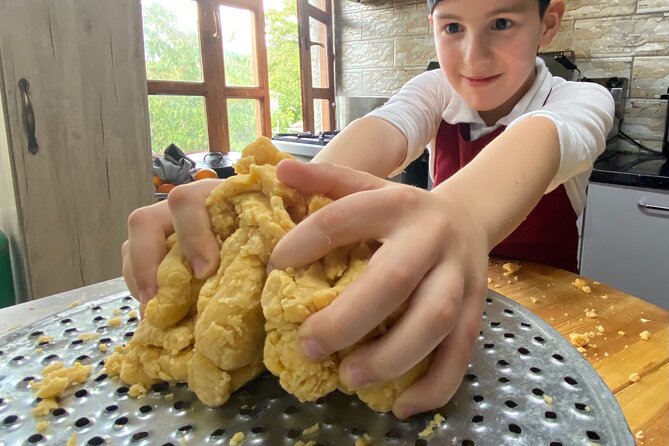
The class also introduces spices and teas from the surrounding mountains. You learn about their use and traditional benefits as part of the food lesson. These details give the cooking more local context than a standard recipe demonstration.
The emphasis is on family tradition. The host describes a secret ingredient inherited through generations, linking the dishes to the household rather than presenting them as generic Albanian food. You should treat the phrase secret ingredient as part of the storytelling, not expect a dramatic culinary revelation. The practical value is in seeing how small additions and habits shape a familiar dish.
Conversation may include local history and folklore. Since this is a family-operated business, the tone can feel informal. It may not have the smooth timing of a larger cooking school, but you get a closer look at how food is taught inside a local setting.
That informality has two sides. A warm welcome and a family member helping with translation can make the class memorable. At the same time, you may need to be patient if the schedule or instructions are not perfectly coordinated.
What the two-hour format is really worth
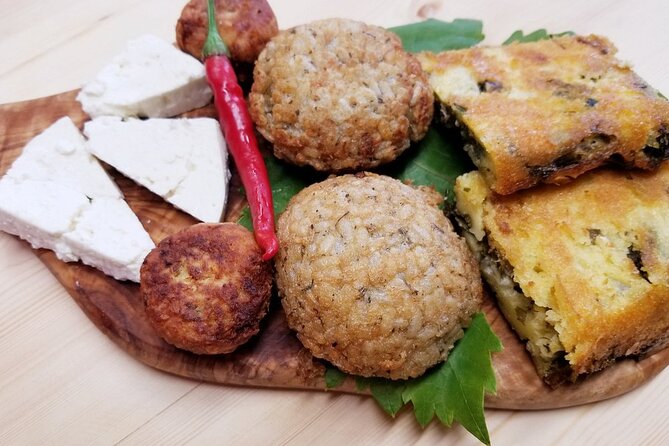
The price is $54.19 per person. In a city where a meal can cost less than in many Western European destinations, that may seem high if you view the activity as dinner alone. The value improves when you count the private instruction, the preparation of several dishes, the meal, the written recipes, local food traditions, and the chance to cook in the bazaar.
This is not the best choice if you only want the cheapest way to eat qifqi and pasta. A restaurant meal will be simpler and likely less expensive. You are paying for participation and personal attention, not only for the food on the plate.
The private format makes the price easier to justify for couples, families, and small groups. You are not sharing the class with strangers, and you have more freedom to ask questions. It also works well for people who want a slower cultural activity after visiting Gjirokaster’s stone streets and castle.
The class is booked, on average, 32 days ahead. That suggests you should reserve early during busy periods, especially if your dates are fixed. Early booking is useful, but direct confirmation remains important because advance bookings have not always been communicated clearly to the host.
Finding Edua in Gjirokaster’s bazaar
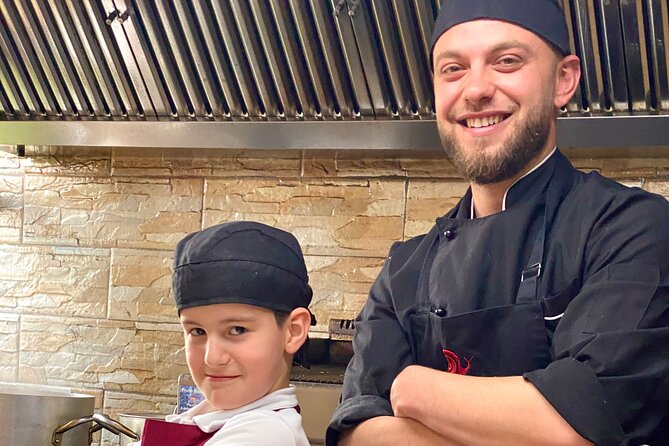
The meeting point is listed as Rruga Gjin Shpata in Gjirokaster, with the activity beginning and ending at the meeting point. The location is described as being in the heart of the medieval bazaar and near public transportation.
The practical issue is that the saved address may be wrong. One participant found the correct place at Edua restaurant and was initially unable to join because the host did not know about the booking. After returning the next day, the class went ahead successfully.
My advice is simple: contact Edua.gjirokaster before your arrival and confirm both the time and the exact door. If you use WhatsApp, do not rely on an unanswered follow-up message. Ask for a clear location and confirmation that your reservation and payment are recorded.
The open-front bazaar setting should make the venue easier to spot once you are in the right area. Still, Gjirokaster’s old streets can be confusing, and the wrong address can cost you time. Arrive early enough to ask nearby shopkeepers for Edua if needed.
The activity ends where it begins. That is convenient if you are exploring the bazaar on foot, and it removes the need to arrange a return transfer.
Who will enjoy this class most
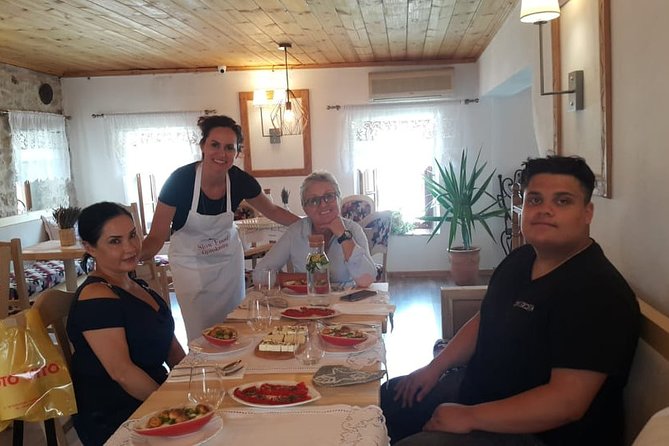
I would choose this experience if you like food with a strong local identity and want to do more than watch a demonstration. It suits curious cooks, couples, families, and small private groups who enjoy a relaxed setting.
It is also a good match for anyone collecting recipes from a trip. Qifqi, OSA pasta, and hasude are tied to Gjirokaster in a way that a generic pizza or pastry class would not be. You get dishes connected to the place you are visiting.
The class may be less suitable if you need a highly polished culinary lesson. Instructions can be partly visual, translation may be informal, and the timing may be shorter than expected. It is also not ideal for a tightly scheduled day unless you have confirmed the start time and menu.
Service animals are allowed, and the meeting point is near public transportation. The available information does not provide detailed accessibility information for the cooking space, so contact the provider if you have specific mobility needs.
Booking, cancellation, and a useful arrival plan
Confirmation is normally provided at booking. If you book within one day of the activity, confirmation may arrive as soon as possible, subject to availability. That is another reason to avoid leaving this class until the last minute.
Free cancellation is available if you cancel at least 24 hours before the start time. Changes made less than 24 hours in advance are not accepted, and the amount paid is not refunded for a late cancellation. The cut-off follows local time in Albania.
For a smooth visit, I would use this plan:
- Confirm the exact venue and start time directly with Edua.gjirokaster.
- Save the name Edua restaurant, not only the street address.
- Arrive early in the bazaar.
- Ask what drinks are included before ordering wine, beer, or other beverages.
- Confirm that the class includes all three dishes if that is important to you.
- Keep your booking confirmation and payment record available.
These steps take only a few minutes and address the main practical weaknesses of the experience.
Should you book the Gjirokaster cooking class?
Book it if you want a personal, food-centered look at Gjirokaster and like the idea of eating a meal you helped prepare. The private setting, family recipes, written instructions, and traditional menu give it more substance than a standard restaurant meal.
I would not book it blindly. Confirm the location, payment, start time, included drinks, and three-dish menu first. If the provider answers clearly, the class offers a worthwhile way to spend part of a day in the bazaar.
For me, the strongest reason to choose it is the combination of qifqi, OSA pasta with lamb, and hasude. Those dishes turn a short cooking lesson into a practical introduction to Gjirokaster’s table. Just bring a little patience for the informal organization, and leave enough time for the meal and conversation.
FAQ
Where does the cooking class start?
The listed starting point is Rruga Gjin Shpata in Gjirokastër, Albania, in the medieval bazaar area. The activity ends back at the meeting point.
How long does the cooking class last?
The stated duration is approximately two hours. Some sessions may take closer to one hour for the cooking portion, with the meal and conversation affecting the total time.
What dishes will I prepare?
The sample menu includes qifqi rice balls as a starter, traditional OSA pasta with lamb meat as the main course, and hasude dessert made with starch, butter, and walnuts.
Is the class private?
Yes. Only your group participates in the activity.
Is the class offered in English?
Yes, the activity is offered in English. Translation may sometimes be provided by a family member if the chef does not speak English directly.
Can I cancel for a full refund?
Yes, if you cancel at least 24 hours before the experience start time. Cancellations made less than 24 hours in advance are not refunded, and late changes are not accepted.
More Workshops in Gjirokaster
- Gjirokaster: Wood Crafting Class
★ 5.0 · 16 reviews - Berat Cooking Class- Traditional Albanian Cooking Class /By Vato
★ 5.0 · 120 reviews - Savor Albanian Cuisine Cooking Class with Mama Nina Berat Castle
★ 5.0 · 55 reviews - Cooking Class in Berat Slow Food Community
★ 5.0 · 34 reviews
Just added around Gjirokaster
- Vlora, Llogara & Dhërmi: Albanian Riviera from Durres/Golem★ 4.9 · 7 reviews
- Walking Tour “The Old Bazaar, Cfake, Dunavat, Ali Pasha Bridge”★ 5.0 · 10 reviews
- Wood Crafting Experience in Gjirokastra★ 4.5 · 10 reviews
- Vegetarian Cooking Class @Teta Marjeta★ 5.0 · 11 reviews
- Gjirokastra Private Half-Day Walking Tour★ 5.0 · 3 reviews
- Gjirokaster – The Stone City of UNESCO, Private Tour from Tirana★ 4.5 · 4 reviews
- Prepare Osa with Teta Marjeta★ 4.5 · 7 reviews
- Gjirokaster Walking Tour★ 5.0 · 4 reviews
Albanian Cooking Experiences, compared.
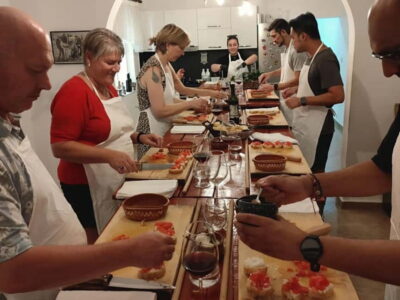
Traditional Cooking Class with Wine & Raki Tasting
Read our review →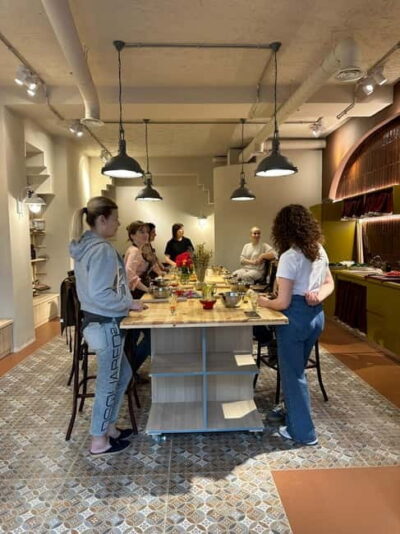
Traditional Albanian Cooking Class in Tirana & Raki Tasting
Read our review →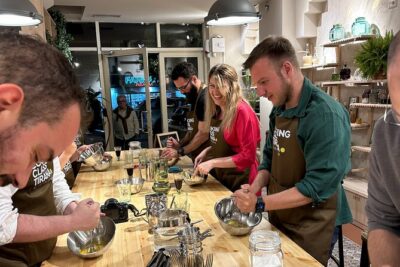
Traditional Albanian Cooking Class in Tirana with Raki Tasting
Read our review →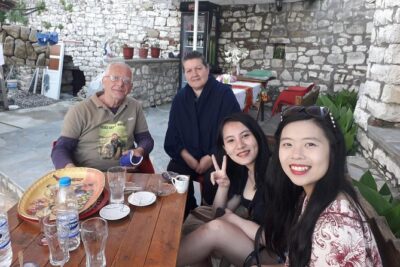
Berat Cooking Class- Traditional Albanian Cooking Class /By Vato
Read our review →
Savor Albanian Cuisine Cooking Class with Mama Nina Berat Castle
Read our review →
Tirana Cooking Class – Traditional Albanian Recipes
Read our review →
Tirana Photo Shoot in Traditional Albanian Costumes
Read our review →Browse the lists this tour appears in