
Reviewed · WALKING TOURS
Walking tour of Tirana
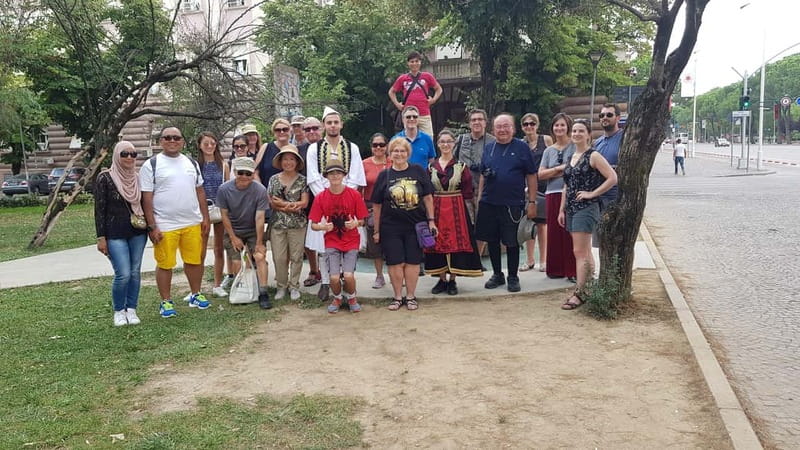
Tirana’s story comes in sharp turns: Ottoman mosque, communist bunker, grand central square, and sleek new cafés all sit within an easy city walk. This tour gives you the useful timeline first, so the capital’s odd mix begins to make sense instead of looking like a jumble of unrelated buildings. Guides such as Arber, Aurora, Clint, and Eri are praised for clear storytelling, humor, and practical advice.
I like the way the tour links Albania’s difficult communist past with the city you see today. I also like the helpful local tips on food, buses, places to visit, and planning the rest of your stay. The main consideration is that your $14 booking joins the general free walking tour, so the group may be larger than you expect and the experience is not fully private.
In This Review
- Key points to know before you book
- Why this short walk works so well in Tirana
- Meeting the guide at the Opera House
- National History Museum and Skanderbeg Square
- Et’hem Bey Mosque and Tirana’s Ottoman roots
- Bunk’Art 2 and the difficult communist years
- Piramida and the city’s modern change
- Blloku, once closed and now social
- Finishing at the Orthodox Cathedral
- The guides make the biggest difference
- What $14 gets you
- Heat, rain, pace, and comfort
- Who should book this Tirana walk?
- Should you book it?
- FAQ
- How long does the Walking Tour of Tirana last?
- Where does the tour start?
- Where does the tour finish?
- Which languages are available?
- Is the tour wheelchair accessible?
- What happens if it rains?
Key points to know before you book
- A fast lesson in Albanian history: The route connects Ottoman Tirana, Enver Hoxha’s communist era, and the city’s modern rebirth.
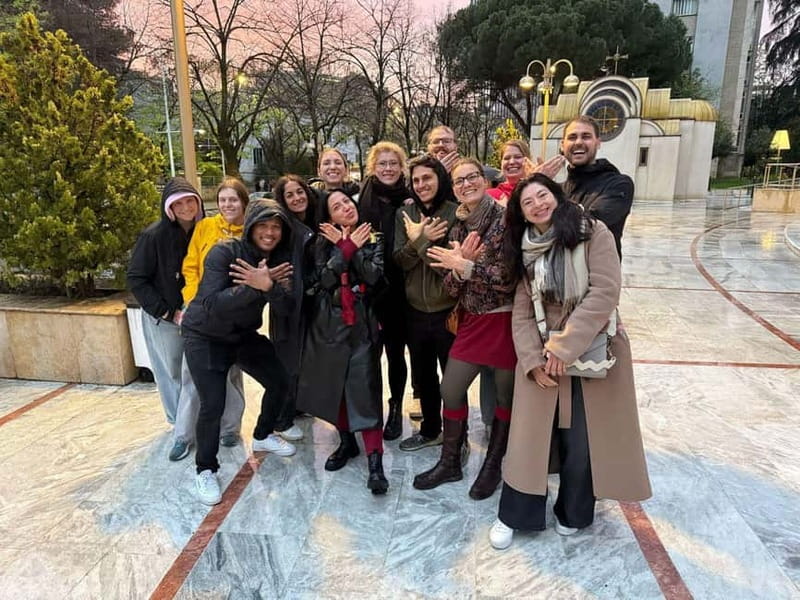
- Strong local guides: Arber, Aurora, Clint, Eri, Ray, Ariola, and other guides are praised for humor, passion, clear English, and useful advice.
- The right first-day activity: The walking route helps you decide what to return to, where to eat, and how to get around.
- Main sights without transport: You see the National History Museum, Skanderbeg Statue, Et’hem Bey Mosque, Bunk’Art 2, Piramida, Blloku, and the Orthodox Cathedral on foot.
- Good value at $14: Your fee covers the walking tour, licensed guide, reservation, and guide payment, though it is not a private tour.
- Prepare for weather and city walking: The tour runs rain or shine, and summer heat can make the two hours feel demanding.
Why this short walk works so well in Tirana
Tirana is not a city that reveals itself all at once. Its center mixes Ottoman traces, Italian-influenced civic buildings, communist monuments, bright apartment blocks, street art, and newly polished public spaces. Without a guide, you can see the sights but miss the connections between them.
This two-hour route provides that missing thread. You start at the steps of the Opera House in the city center and move through the main historic zone before finishing at the Resurrection of Christ Orthodox Cathedral. The distance is manageable, and there is no need to arrange a taxi, hotel pickup, or public transport.
I would book this early in your stay. Several guides give advice on local cuisine, bus journeys, nearby activities, and places worth returning to. That turns the tour into more than a list of monuments. It becomes a practical orientation to Tirana.
The strongest part is the human side of the history. Clint, for example, has been praised for presenting Albania’s past with unusual feeling, including recorded testimony from people who survived the communist dictatorship. That kind of personal connection can make an unfamiliar period easier to understand.
You should still set realistic expectations. This is an overview, not a museum visit with long interior stops. The scheduled sightseeing at several landmarks is brief, often five or ten minutes. If you want detailed architectural study or time inside every attraction, you will need to return on your own.
A few more Tirana trips to weigh up
- Walking Tour of Tirana
★ 5.0 · 646 reviews - Tirana: Express Walking Tour with a Guide
★ 4.8 · 503 reviews - Tirana Center: Magic Walking Tour French/Italian/English Etc
★ 4.9 · 402 reviews
Meeting the guide at the Opera House
Your starting point is the steps of the Opera House, beside the city center. This is a sensible meeting place because it puts you near Skanderbeg Square and the central sights from the beginning.
Look for the tour guide at the stated meeting point and allow enough time to arrive without rushing. The experience is conducted in English, Italian, or Spanish, depending on the departure and guide available. The included guide is licensed, and the tour is also wheelchair accessible.
The general format matters. This paid booking joins the operator’s wider free walking tour, with your $14 covering the reservation and guide payment. You are not buying a private group experience. One participant specifically found the combined format perfectly fine, but you should choose a private option instead if you want a slower pace or more individual attention.
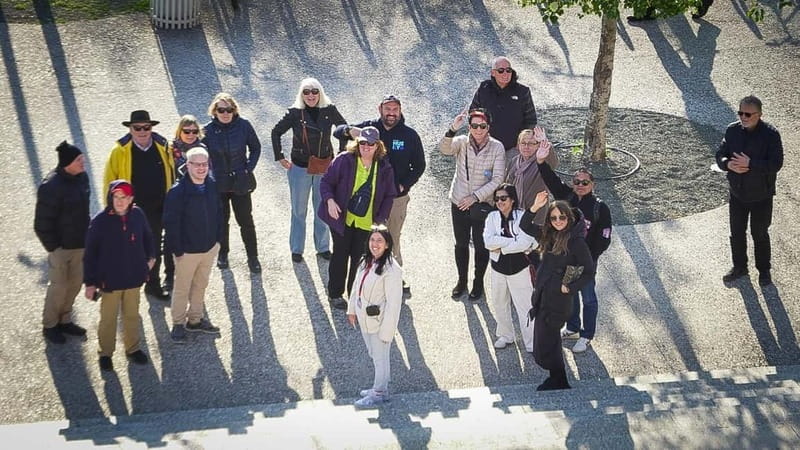
The group arrangement can also affect how easily you hear the guide. Stay close, especially when crossing busy streets or stopping for photos. One person lost contact with the group after pausing to take pictures, a useful warning for anyone who likes to photograph every façade.
National History Museum and Skanderbeg Square
The first sightseeing stop is the National History Museum. The planned visit is short, about five minutes, so think of it as an introduction rather than an indoor museum tour.
The museum helps frame the country’s long timeline. The guide can place Tirana’s Ottoman beginnings, later political changes, the communist period, and current identity into one understandable sequence. That context pays off at each later stop.
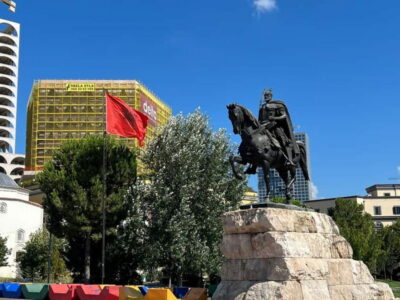
From there, the route reaches Skanderbeg Statue, with about ten minutes for sightseeing. The statue honors Albania’s national hero, Skanderbeg, whose image appears often in Albanian public life. In the square, the guide can explain why this central figure matters and how the space functions as Tirana’s symbolic heart.
This is one of the places where a guide adds real value. A large square can seem straightforward, but its name, statue, surrounding institutions, and changing public role all carry meaning. You get a quick orientation to central Tirana without spending half a day inside a museum.
The tradeoff is time. Ten minutes gives you a useful explanation and a chance for photographs, but not an unhurried look at every building around the square. If the square interests you, mark it for a later walk at your own pace.
Et’hem Bey Mosque and Tirana’s Ottoman roots
The Et’hem Bey Mosque is the clearest early stop on the route. Its presence near the central square offers a visible reminder that Tirana did not begin as a modern capital of broad avenues and apartment towers.
The guide uses the mosque to explain the city’s Ottoman roots and the older religious and architectural layers beneath present-day Tirana. The scheduled sightseeing time is about five minutes, so the focus is on the outside and the historical setting rather than a lengthy visit.
This stop is particularly useful because it keeps Albania’s story from being reduced to the twentieth century. Tirana’s identity includes Ottoman influence, later political changes, religious traditions, and a modern secular capital. The mosque gives you a concrete place to start that wider conversation.
Dress and entry details are not specified for this tour, so you should follow any rules in effect if you enter. The route may simply provide an exterior explanation before moving on. Either way, you will understand why this building belongs near the center of the city’s story.
Same coast, a completely different kind of day:
- From Tirana: Bovilla Lake & Gamti Mountain Hiking Day Trip
★ 4.9 · 4,397 reviews - From Tirana: Bovilla Lake & Gamti Mountain Hiking Tour
★ 4.9 · 3,003 reviews - From Tirana: Bovilla Lake & Gamti Mountain Viewpoint Hike
★ 4.8 · 2,053 reviews - Tirana/Durres/Golem: Saranda, Ksamil, Blue Eye Day Trip
★ 4.8 · 1,584 reviews
Bunk’Art 2 and the difficult communist years
Bunk’Art 2 is the most emotionally weighty stop. This former nuclear bunker has been turned into a museum, linking an ordinary-looking city center with the fear and isolation of Albania’s communist dictatorship.
The scheduled stop is about five minutes, which means you should not expect a full museum visit. Instead, the guide explains what the bunker represents and sets up the larger story of communist rule. If you want to explore the exhibits properly, plan a separate return visit.
This is where the quality of the guide matters most. A dry list of dates would miss the point. Clint has been praised for discussing the era with passion and for documenting testimony from survivors across Albania. Other guides, including Arber and Aurora, are described as engaging, funny, and able to answer questions clearly.
The subject can be heavy, but the presentation is not described as solemn from start to finish. Humor and personal stories help keep the discussion accessible. You get a sense of how the period affected ordinary people, not just political leaders and official buildings.
If you have arrived in Tirana after a long travel day, this section may feel mentally full. One person described the tour as overwhelming after traveling in the heat. That is not a reason to skip it, but it is a reason to start rested, carry water, and avoid the hottest part of the afternoon when possible.
Piramida and the city’s modern change
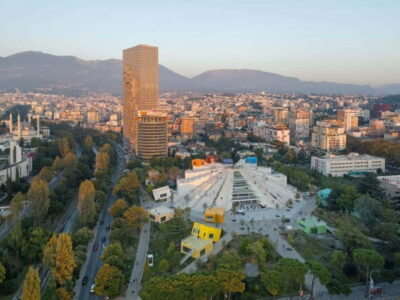
The Piramida provides a striking bridge between communist Albania and the present day. Its unusual form reflects the old political era, while its newer role points toward Tirana’s changing cultural and public life.
The planned sightseeing time is about ten minutes. That gives the guide room to explain the building’s past and its place in modern Tirana without turning the tour into an architectural lecture.
I like this stop because it makes the city’s transformation visible. You are not just hearing that Tirana has changed. You are looking at a structure that has carried different meanings over time. The contrast with the nearby mosque, square, and bunker makes the route feel carefully connected.
The modern section also includes contemporary art, lively squares, and the city’s current energy. Exact exhibits and events are not fixed in the tour details, so do not book this expecting a particular gallery or performance. Think of it as a street-level introduction to the capital’s newer cultural side.
Blloku, once closed and now social
Blloku is the longest guided stop, at about fifteen minutes. The neighborhood is especially useful for understanding how Tirana’s social geography has shifted.
During the communist period, Blloku was associated with the country’s ruling elite and was not an ordinary public neighborhood. Today, it is known for cafés, restaurants, nightlife, and a more relaxed urban feel. The guide helps you read that change through the streets rather than treating the area as just a place to eat.
This is where practical advice becomes valuable. Guides have offered suggestions about local food, places to go, and activities for the rest of a visit. If Blloku appeals to you, ask where the guide would eat or which nearby areas deserve a walk. The experience includes local insight, not just a scripted sequence of stops.
The fifteen-minute visit is enough to orient you, but not enough to sample the neighborhood. Save the names of recommended places and return later. Blloku is better experienced slowly, with time to choose a café or restaurant rather than trying to fit a meal into the tour.
Finishing at the Orthodox Cathedral
The tour ends at the Resurrection of Christ Orthodox Cathedral. This gives the route a final religious and architectural counterpoint after the Ottoman mosque and the communist bunker.
The cathedral also puts you in a useful central position for continuing your day. From here, you can follow the guide’s recommendations, return to a museum, find lunch, or keep walking through central Tirana. Since there is no hotel drop-off, you should think of the finish as a convenient city-center handoff rather than the end of a transport service.
The ending is not designed as a long cathedral visit. The value lies in how the stop rounds out the city’s religious and political story. Tirana’s center contains several eras close together, and the tour makes that contrast easier to notice.
The guides make the biggest difference
The most praised feature of this experience is the guiding. Arber is described as warm, humorous, and eager to help people plan their time. Aurora is praised for wit, energy, and kindness. Clint receives especially strong approval for his historical storytelling and passion for Albania.
Eri is described as friendly and clear, with a good mix of facts, culture, architecture, and practical suggestions. Ray is praised for explaining the country’s past in a light, engaging way while also helping with transport and food. Ariola is noted for keeping attention and allowing time for questions.
You cannot select a specific guide from the information provided, so the tone may vary by departure. The consistent pattern is clear communication, local pride, humor, and a willingness to answer questions. That makes this a better choice for you if you prefer stories and conversation over a rigid audio-guide style.
English is available, along with Italian and Spanish. The English guides are repeatedly described as easy to understand. Still, stay near the guide, particularly in a larger combined group.
What $14 gets you
At $14 per person, the tour is a strong value for a first look at Tirana. The fee includes the walking tour and a licensed English-speaking guide, with Italian and Spanish also available. You avoid paying for separate transport between the central stops, and you get a framework that can save time later.
The value is not in admission tickets. The short itinerary stops do not promise extended museum entry, and hotel pickup and drop-off are not included. You are paying for explanation, organization, local perspective, and the chance to ask questions.
The general-tour format keeps the price low. If you want a private walk, contact the supplier after booking to arrange one. That may suit families, photographers, or anyone who needs a gentler pace, but the standard experience is the better deal for most people.
Flexible booking also helps. You can cancel up to 24 hours before the tour for a full refund, and you can reserve now and pay later. Starting times vary, so check availability when choosing your date.
Heat, rain, pace, and comfort
The tour runs rain or shine. Wear shoes you can walk in, bring water, and carry protection from the sun or rain. There is no promise of extensive indoor shelter, and several stops are outside.
Summer heat deserves special attention. A July afternoon was described as very hot, though the guide made a point of stopping in the shade when needed. If you are sensitive to heat, choose an earlier departure when available and avoid arriving exhausted from a long journey.
The pace appears moderate rather than rushed. One participant said the group saw many things without being hurried, while another found the amount of information intense after a travel day. Your experience will depend on the group, the weather, and how many questions are asked.
The route is wheelchair accessible, which is an important practical advantage. Exact street conditions and restroom arrangements are not provided, so contact the supplier if you need specific access information beyond the stated accessibility.
Who should book this Tirana walk?
I recommend it most strongly for first-time visitors who want a clear introduction before exploring alone. It suits history-minded people, curious food seekers, and anyone who likes to ask a local what is worth doing next.
It is also a good match for short stays. In two hours, you cover the central landmarks and get enough background to decide which museums, neighborhoods, and viewpoints deserve more of your time.
Families and mixed-age groups may like the varied subject matter. A mosque, statue, bunker, pyramid, neighborhood, and cathedral provide more visual change than a long march through similar streets.
You may want something else if you dislike group tours, need a very slow photographic pace, or want detailed time inside Bunk’Art 2 and the National History Museum. The standard route gives you an overview, then leaves the deeper visits for later.
Should you book it?
Book this tour if you want Tirana to make sense quickly. The route covers the essential central sights, but its real strength is the connection between them: Ottoman beginnings, national identity, communist control, and a city still changing today.
The $14 price is fair because the guide supplies context and useful local direction, not just names and dates. Book for the start of your stay, stay with the group when taking photos, and plan for sun or rain.
Skip it only if you already have a private guide or prefer to discover every stop independently. For most first visits, this is an efficient and human way to get your bearings.
FAQ
How long does the Walking Tour of Tirana last?
The tour lasts two hours. Some departures may run longer depending on the guide, group, questions, or pace.
Where does the tour start?
The meeting point is at the steps of the Opera House in Tirana city center, where the guide will wait.
Where does the tour finish?
The walk finishes at the Resurrection of Christ Orthodox Cathedral.
Which languages are available?
The tour is available in English, Italian, and Spanish.
Is the tour wheelchair accessible?
Yes, the activity is listed as wheelchair accessible.
What happens if it rains?
The tour takes place rain or shine. Bring suitable clothing and footwear for the weather.
Just added around Tirana
- Zipline Tirana Adventure & Petrela Castle – With Transport★ 4.4 · 10 reviews
- Wine Tasting & Vineyards Escape near Tirana★ 4.9 · 8 reviews
- Wonderful Sunset and Dinner in the Castel Of Petrela★ 4.6 · 4 reviews
- Walking Tour in Tirana, Albania★ 3.7 · 28 reviews
- Vlora, Dhermi & Llogara Day Trip from Durrës or Golem★ 5.0 · 5 reviews
- From Tirana: Mount Dajti Adventure, Local Vibes & Cable Car opt★ 4.5 · 6 reviews
- Winetasting tour in Alpeta winery – Roshnik village by 1001 Albanian Adventures★ 5.0 · 26 reviews
- Day Tour to Petrela Castle and Zip Line Albania Adventure★ 5.0 · 10 reviews
Walking Tours, compared.
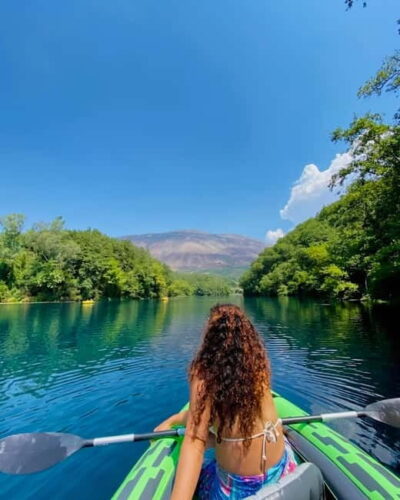
Blue Eye Kayak and walking tour & Lekursi Castle
Read our review →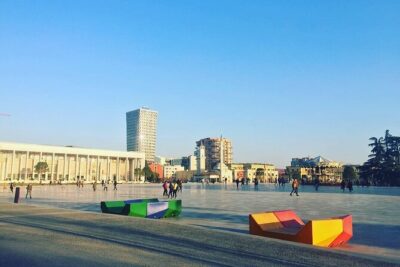

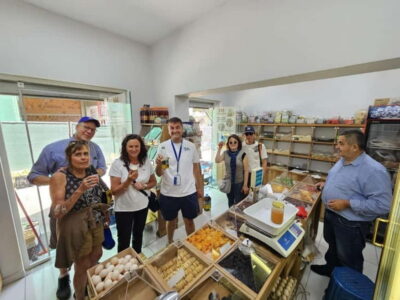
Tirana Stroll Tour, Walk and Taste Qofte & Raki!
Read our review →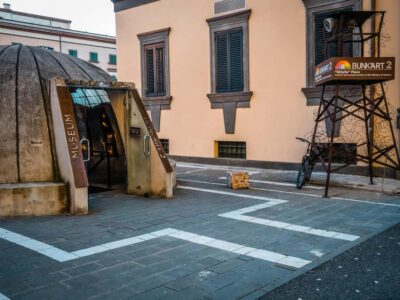
Tirana’s Communist Past; Small Group Walking Tour
Read our review →Browse the lists this tour appears in