
Reviewed · ALBANIAN COOKING EXPERIENCES
Traditional Albanian and Mediterranean Dinner
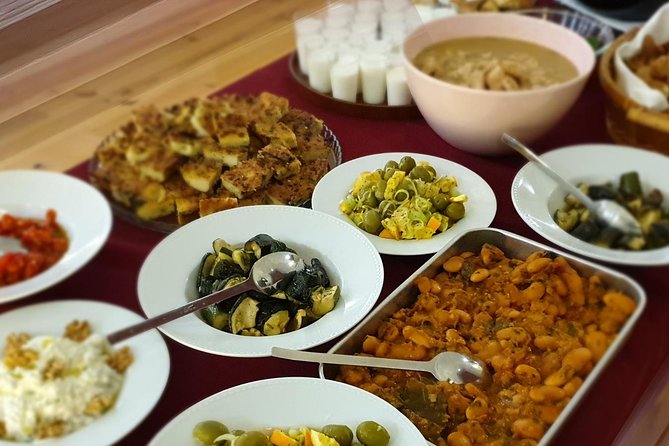
Albania’s food story arrives course by course at this chef-led dinner in Tirana. Chef Sokol Prenga uses local, organic ingredients to show how Albanian cooking grew through contact with Greek, Roman, Byzantine, and Ottoman cultures. It is more than a meal, but it is still a meal first: expect a full evening of breads, pies, meat dishes, dessert, drinks, and conversation.
I especially like the wide tour of Albanian cooking, from humble corn breads to the yogurt-baked lamb casserole called tavë kosi. I also like the personal touch from Sokol, whose 25 years as a chef give the explanations weight and who brings humor and stories into the meal. The main drawback is the length and format: at about four and a half hours, this is a slow dinner, and the description promises a chef-led culinary lesson rather than a clearly hands-on cooking class.
In This Review
- Key points to know before booking
- Why this dinner is a useful introduction to Albania
- Meeting Sokol Prenga at Taste Table
- Starting with Albanian breads and pies
- Tavë kosi, Albania’s yogurt-baked centerpiece
- Veal ribs with plum syrup
- Përmet lamb stew with lemon and parsley
- Qumështor, a simple Albanian finish
- What the $60.21 price buys you
- Who will enjoy this Tirana dinner most
- Practical details for planning your evening
- Should you book the Traditional Albanian and Mediterranean Dinner?
- FAQ
- Where does the Traditional Albanian and Mediterranean Dinner begin?
- Where does the dinner end?
- How long does the experience last?
- What days and times is it offered?
- Is the experience offered in English?
- Who leads the dinner?
- What food is included?
- Are drinks included?
- How many people can join, and what is the cancellation policy?
Key points to know before booking
- Chef Sokol Prenga leads the meal: He has more than 25 years of professional cooking experience and explains the purpose behind each dish.
- The menu covers several Albanian regions: You taste breads, pies, lamb, veal, and flan instead of stopping at one familiar national specialty.
- Cultural influences are part of the dinner: Sokol connects local recipes with Greek, Roman, Byzantine, and Ottoman contact.
- Drinks and spirits are included: The meal includes appetizers, main courses, desserts, drinks, and good spirits.
- The evening begins and ends at Delikatesë Pastiçeri: The meeting point is Rruga Myslym Shyri 97 in Tirana.
- The group can reach 22 people: That is small enough for a shared dining setting, though not the same as a private meal.
Why this dinner is a useful introduction to Albania
Food is one of the quickest ways to make sense of Albania. The country sits at a crossroads between the Adriatic and the Balkans, and its cooking reflects that position. At Taste Table, the meal is arranged as a guided path through that past, with the chef explaining how trade, migration, and long contact with major empires shaped what ended up on Albanian tables.
I like this approach because it gives you a frame for the food. Instead of hearing only that a dish is traditional, you learn what makes it traditional and how it fits into a larger pattern. The menu moves from staple breads to pies, then to hearty meat dishes and a milk-based dessert. That progression lets you see both the everyday and festive sides of Albanian cooking.
The ingredients also matter. The dinner uses local, organic food products, with special attention to traditional agricultural produce. That does not mean every plate will suit every taste, especially if you prefer light meals, but it does point the dinner toward the food culture of the country rather than an international restaurant menu.
More Albanian Cooking Experiences in Tirana
- Tirana: Traditional Cooking Class with Wine & Raki Tasting
★ 5.0 · 284 reviews - Traditional Albanian Cooking Class in Tirana & Raki Tasting
★ 5.0 · 266 reviews - Traditional Albanian Cooking Class in Tirana with Raki Tasting
★ 5.0 · 125 reviews
Meeting Sokol Prenga at Taste Table
The evening starts at Delikatesë Pastiçeri, at Rruga Myslym Shyri 97 in Tirana. You return to this same point at the end, so there is no city transfer or second location to manage. The meeting point is near public transportation, which is useful for an evening appointment.
The scheduled hours are Monday through Friday, from 7:30 PM to 10:00 PM. There is an important detail here: the listed duration is approximately four hours and 30 minutes, while the stated operating window covers two and a half hours. You should confirm the exact start and end timing when booking, since the information provided does not fully match.
Sokol Prenga is the central figure. With more than 25 years of experience as a chef, he does not simply place food on the table and name it. He explains the dishes, welcomes questions, and connects recipes to Albania’s cultural past. One especially appealing part of the format is the relaxed tone. Sokol is described as patient, humorous, and warm, which should help the evening feel like a shared meal rather than a formal lecture.
The group limit is 22 people. That is not a tiny private class, so you should not expect one-on-one attention at every moment. Still, it is a manageable size for a communal dinner, and the question-friendly format gives you a chance to ask about ingredients, regions, and cooking methods.
Starting with Albanian breads and pies
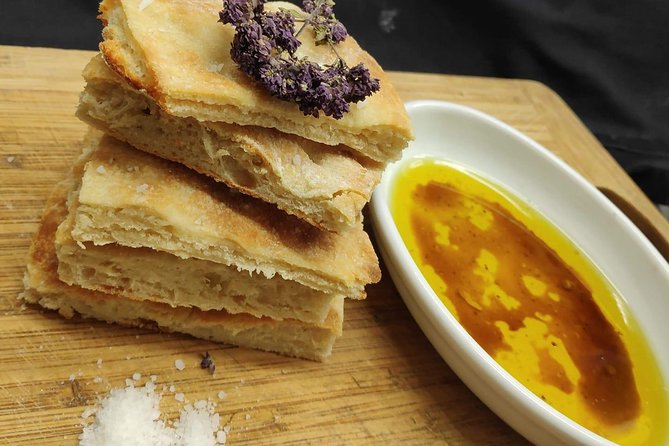
The first course introduces the building blocks of the meal. You taste several traditional breads made with organic corn and wheat flour: bukë kallamoqe, bukë misri, kulaç, pogaçe, and kamkuçe. These names may be unfamiliar, but that is precisely the point. Bread is often where a food culture begins, and this opening course shows the importance of grain and home baking in Albanian cooking.
The variety should be more interesting than a single basket of sliced bread. Corn and wheat offer different textures and flavors, while the different preparations show how a basic staple can change from one regional style to another. You may find this part less dramatic than the meat courses that follow, but it gives the meal a useful foundation.
Next comes pite, also known as byrek. The thinly stretched filo dough may be filled with spinach, minced meat, leek, or feta cheese. Other versions include pumpkin, apple, and potato. This is one of the menu’s most flexible dishes, since it can be savory or sweet and can appear as a snack, side dish, or main meal.
I like having several fillings represented because it shows how one technique can travel across regions and seasons. Spinach, leek, potato, and pumpkin connect the pastry to garden produce, while minced meat and feta make it more substantial. If you are comparing this with the byrek found elsewhere in the Balkans, Sokol’s explanations should help you notice local choices rather than treating all filo pies as the same.
Tavë kosi, Albania’s yogurt-baked centerpiece
The first main course is tavë kosi, a baked casserole of yogurt and lamb. It is one of the best-known Albanian dishes, and it offers a strong contrast to the lighter opening plates. The yogurt gives the casserole a soft, tangy character, while lamb brings the deeper flavor that makes it feel like a proper main course.
This dish also explains why the full dinner takes time. A casserole like tavë kosi is not a quick tasting plate. It is the kind of food that rewards sitting down, listening, and taking a little time between bites. You should expect a filling meal rather than a series of tiny samples.
For some diners, the lamb and dairy combination will be the high point. If you do not usually eat lamb or prefer a low-fat dinner, this course may feel heavy, especially with the breads and pies already served. The menu is built around traditional Albanian comfort food, not a minimalist tasting menu, so arrive hungry and pace yourself.
Same coast, a completely different kind of day:
- From Tirana: Bovilla Lake & Gamti Mountain Hiking Day Trip
★ 4.9 · 4,397 reviews - From Tirana: Bovilla Lake & Gamti Mountain Hiking Tour
★ 4.9 · 3,003 reviews - From Tirana: Bovilla Lake & Gamti Mountain Viewpoint Hike
★ 4.8 · 2,053 reviews - Tirana/Durres/Golem: Saranda, Ksamil, Blue Eye Day Trip
★ 4.8 · 1,584 reviews
Veal ribs with plum syrup
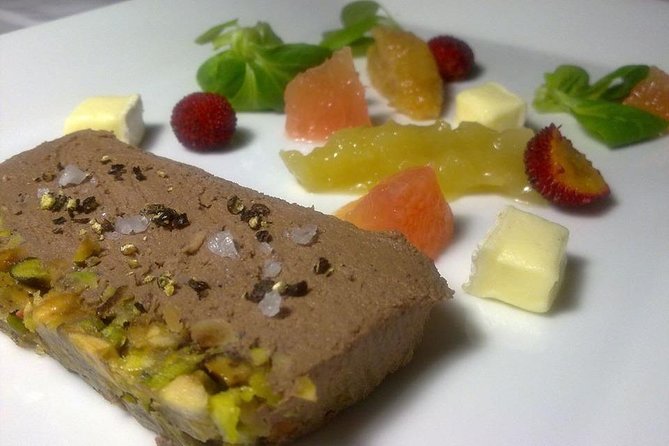
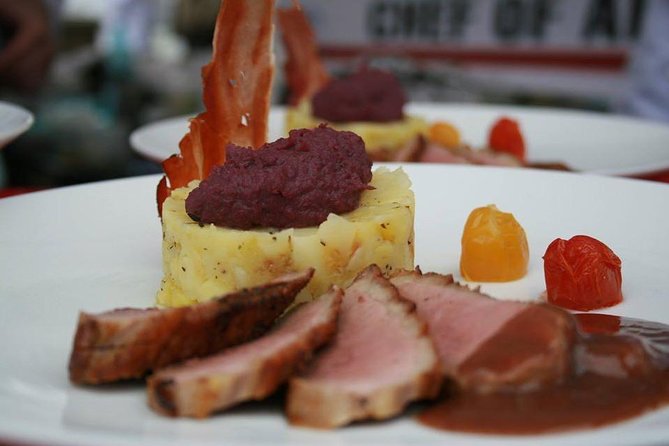
The next main dish is mish me pistil, veal ribs served with plum syrup. This is a particularly useful course for understanding how Albanian cooking balances savory meat with fruit. The plum syrup adds sweetness and acidity, giving the ribs a different profile from the yogurt-based lamb casserole.
The combination should appeal to you if you enjoy meat dishes with a sweet-sour edge. It also makes the menu feel less predictable. Instead of repeating the same roasted-meat flavors, the dinner uses fruit to change the character of the plate.
The description does not specify the exact portion size or preparation details, so you should not assume a single large rib or a particular side dish. What is clear is that this is one of several substantial courses. That is why the meal works best as an evening event rather than something squeezed between sightseeing stops.
Përmet lamb stew with lemon and parsley
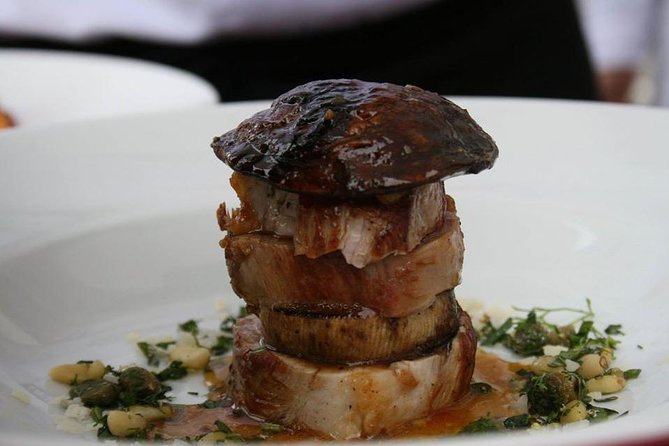
Shqeto e Përmetit is a white lamb stew from the Përmet region. It uses egg, lemon, pepper, and parsley, which gives it a fresh, bright profile compared with the richer baked casserole and the plum-syrup ribs.
This course adds regional range to the menu. The dish is linked specifically to Përmet, so the dinner is not presenting Albanian food as one uniform style. You get a sense of how local identity shapes recipes, even within a relatively small country.
The egg-based sauce is also a good reminder that Albanian cooking includes more than grilled meat and pastry. Lemon and parsley bring lift, while the lamb keeps the dish firmly in the category of hearty home cooking. If you enjoy trying dishes that are less familiar outside their country of origin, this may be one of the more rewarding plates of the evening.
Qumështor, a simple Albanian finish
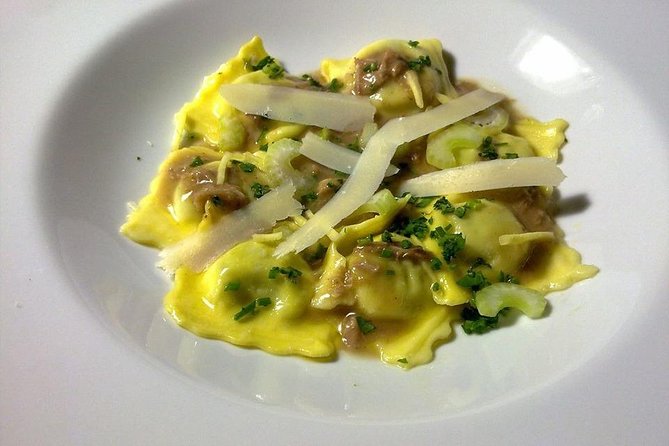
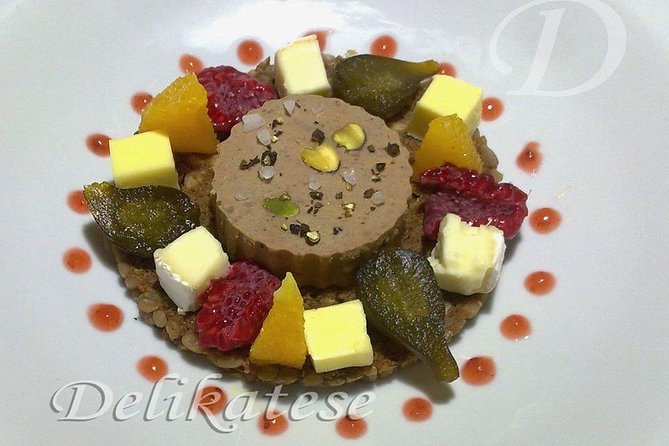
Dessert is qumështor, described as a rustic Albanian flan. After the breads, pies, and meat courses, a milk-based dessert makes sense. It brings the meal back to a softer, simpler finish rather than ending with something elaborate or heavily decorated.
The word rustic is useful here. You should expect a traditional home-style dessert, not a modern pastry-shop production. That is in keeping with the rest of the evening, which focuses on recipes, ingredients, and regional habits rather than restaurant theatrics.
Drinks and good spirits are included along with the food. The available information does not give a full drinks list, so you should ask Sokol about the specific choices if that matters to you. Still, having drinks included makes the price easier to assess, since you are not adding each beverage to the bill as the courses arrive.
What the $60.21 price buys you
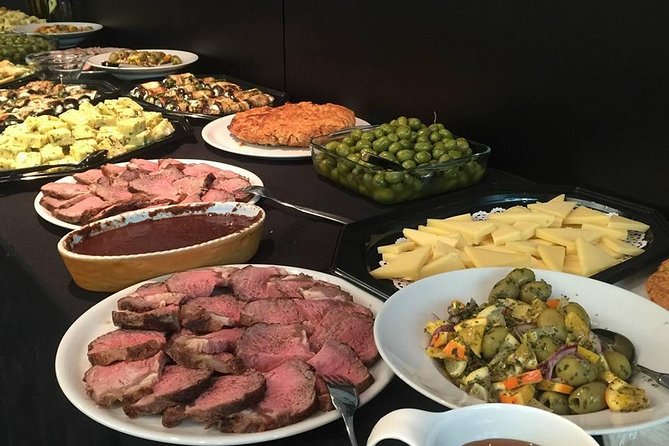
The price is $60.21 per person. For a four-hour-plus dinner with several starters, three substantial main dishes, dessert, drinks, and a chef’s presentation, I consider that a reasonable price if you want more than a basic restaurant meal.
The value is not only in the amount of food. You are also paying for the explanation of ingredients, the stories behind the recipes, and the chance to ask questions directly. A normal dinner might let you taste tavë kosi or byrek, but it probably would not explain how those dishes relate to Albania’s regional cooking and outside cultural contacts.
That said, this is not the right choice if you are looking for a cheap meal or a quick taste of local food. The evening takes up a large part of your night, and the multi-course format may be too much if you prefer to order one dish and move on. It is also worth noting that the menu is fixed around traditional dishes, so you should check before booking if you have dietary restrictions or strong dislikes. No alternate menu is provided in the available details.
The experience is offered in English, which makes the cultural explanations accessible to English-speaking diners. It is also open to most people, and the maximum group size is 22. The mobile ticket format keeps arrival simple, though you should still pay attention to the exact meeting time because of the unusual timing information.
Who will enjoy this Tirana dinner most
I would choose this dinner if you are visiting Tirana and want one organized evening devoted to local food. It suits you especially well if you like asking questions, trying several unfamiliar dishes, and learning why recipes developed as they did.
It also works for couples, families, and small groups who want a social meal. The warm atmosphere described around Sokol, along with his humor and patience, should make it comfortable for people who are curious but not expert cooks.
You may want to skip it if you dislike lamb, veal, dairy-heavy dishes, or long meals. The menu leans firmly toward traditional, filling food. It is also not clearly advertised as a hands-on class, despite one description calling it a cooking class. Plan on watching, tasting, listening, and asking questions rather than assuming you will prepare every dish yourself.
Practical details for planning your evening
Book for a weekday when the Monday through Friday schedule fits your plans. The stated hours begin at 7:30 PM, and the activity returns to the same meeting point at Delikatesë Pastiçeri.
The experience requires a minimum number of people to operate. If that minimum is not met and the dinner is canceled, you are offered another date or experience, or a full refund. You can cancel for a full refund up to 24 hours before the start time. Cancellations or changes made less than 24 hours before the start time are not refunded or accepted.
The activity is near public transportation, and most people can participate. Because the group can include up to 22 people, you should think of it as a shared dining event rather than an intimate private class.
Should you book the Traditional Albanian and Mediterranean Dinner?
I would book this if you want an informed introduction to Albanian food and have an evening free in Tirana. The strongest reasons are the broad menu, the regional dishes, the included drinks, and Sokol Prenga’s personal way of explaining the food. You get much more than one plate of byrek and a quick explanation.
I would hesitate only if you need a short meal, a fully hands-on cooking class, or a menu tailored to dietary needs. For everyone else, the $60.21 price is fair for a long, social dinner that connects what you eat with how Albanian cuisine developed. Confirm the exact schedule before setting your evening plans, then arrive hungry.
FAQ
Where does the Traditional Albanian and Mediterranean Dinner begin?
It begins at Delikatesë Pastiçeri, located at Rruga Myslym Shyri 97 in Tirana, Albania.
Where does the dinner end?
The activity ends back at the same meeting point.
How long does the experience last?
The approximate duration is four hours and 30 minutes.
What days and times is it offered?
It is offered Monday through Friday. The stated operating hours are 7:30 PM to 10:00 PM.
Is the experience offered in English?
Yes. The experience is offered in English.
Who leads the dinner?
Chef Sokol Prenga leads the dinner. He has more than 25 years of experience as a chef.
What food is included?
The menu includes traditional breads, Albanian pies, tavë kosi with yogurt and lamb, veal ribs with plum syrup, a lamb stew from Përmet, and qumështor, an Albanian flan.
Are drinks included?
Yes. Dinner includes appetizers, main dishes, desserts, drinks, and good spirits.
How many people can join, and what is the cancellation policy?
The maximum group size is 22 people. You can cancel up to 24 hours before the start time for a full refund. Changes or cancellations made less than 24 hours before the start time are not accepted or refunded.
More Dining Experiences in Tirana
- Local food experience & walking tour of Tirana
★ 5.0 · 192 reviews - Tirana: Local food experience & walking tour
★ 5.0 · 154 reviews - Vlora: Zvernec, Ardenica, Local Winery & Food Experience
★ 5.0 · 9 reviews - Traditional Food Tour,Dinner in a Local Garden(Eat as local)
★ 5.0 · 5 reviews
More Dinner Experiences in Tirana
- Albanian Night Show: Traditional Music, Dance & Dinner in Tirana
★ 5.0 · 431 reviews - Cooking Class & Traditional Albanian Dinner
★ 5.0 · 15 reviews - Shen Gjergji Waterfall & Tirana Sunset Included Dinner
★ 5.0 · 9 reviews - Wonderful Sunset and Dinner in the Castel Of Petrela
★ 4.6 · 4 reviews
Just added around Tirana
- Zipline Tirana Adventure & Petrela Castle – With Transport★ 4.4 · 10 reviews
- Wine Tasting & Vineyards Escape near Tirana★ 4.9 · 8 reviews
- Wonderful Sunset and Dinner in the Castel Of Petrela★ 4.6 · 4 reviews
- Walking Tour in Tirana, Albania★ 3.7 · 28 reviews
- Vlora, Dhermi & Llogara Day Trip from Durrës or Golem★ 5.0 · 5 reviews
- From Tirana: Mount Dajti Adventure, Local Vibes & Cable Car opt★ 4.5 · 6 reviews
- Winetasting tour in Alpeta winery – Roshnik village by 1001 Albanian Adventures★ 5.0 · 26 reviews
- Day Tour to Petrela Castle and Zip Line Albania Adventure★ 5.0 · 10 reviews
Albanian Cooking Experiences, compared.
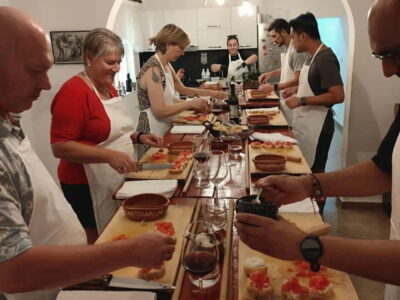
Traditional Cooking Class with Wine & Raki Tasting
Read our review →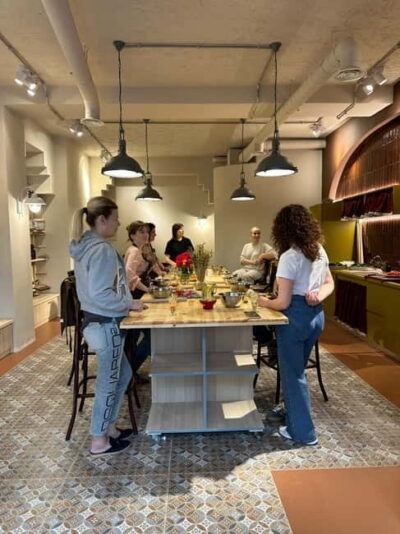
Traditional Albanian Cooking Class in Tirana & Raki Tasting
Read our review →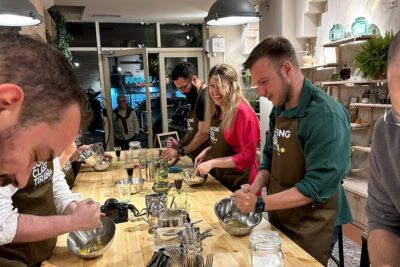
Traditional Albanian Cooking Class in Tirana with Raki Tasting
Read our review →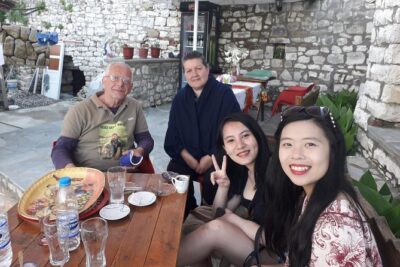
Berat Cooking Class- Traditional Albanian Cooking Class /By Vato
Read our review →
Savor Albanian Cuisine Cooking Class with Mama Nina Berat Castle
Read our review →
Tirana Cooking Class – Traditional Albanian Recipes
Read our review →
Tirana Photo Shoot in Traditional Albanian Costumes
Read our review →Browse the lists this tour appears in