
Reviewed · 1-DAY TOURS
Tirana: Shkoder, Lezhe and Kruje Day Trip with Rozafa Castle
Northern Albania packs a surprising amount into one long day. You’ll climb to Rozafa Castle for wide views over Shkoder, Lake Shkoder, and the Buna and Drin Rivers, then move through the old streets of Shkoder before reaching the mountain town of Kruje.
I like the small group, limited to eight, and the way the route links Albanian history with everyday culture. The guides Berty and Gleni have been especially praised for clear explanations, patience, humor, and personal insight. The main drawback is the distance and traffic. Shkoder deserves more time, and a bad traffic jam can make this already full schedule feel tight.
In This Review
- Key points to know before booking
- Why this northern Albania day trip works
- From Tirana to the hilltop at Rozafa Castle
- Shkoder’s Gjuhadol and the Marubi Museum
- A short stop in Lezhe and the story of Skanderbeg
- Kruje Castle, Skanderbeg, and the Ethnographic Museum
- What the guide adds to the day
- Is $82 a fair price?
- Who should book this experience?
- Should you book the Shkoder, Lezhe, and Kruje tour?
- FAQ
- Where does the tour begin and end?
- How long does the experience last?
- What places are included?
- Is the Marubi Museum included?
- Is lunch included?
- How many people can join the group?
- Which languages are available?
- Is the tour suitable for people with mobility concerns?
Key points to know before booking
- Rozafa Castle gives you the day’s grandest view: Bring water and shoes with a good grip for the uphill walk and uneven ground.
- Shkoder gets more than a quick roadside stop: You walk through Gjuhadol, see its Italian and Austrian influences, and may visit the Marubi Museum.
- Lezhe adds a major national story: The mausoleum of Skanderbeg is inside Saint Nicholas Church, although holiday closures have occurred.
- Kruje combines museums with shopping: You visit the Skanderbeg Museum and Ethnographic Museum before browsing the famous bazaar.
- The group stays small: Transportation is for a maximum of eight people, with pickup at your Tirana hotel or the nearest main street.
- The $82 price covers the essentials: Transport, guide service, the tour, and attraction entry are included, but lunch is not.
Why this northern Albania day trip works
This is a history-heavy outing, but it does not trap you in museums all day. You move from a hilltop fortress to an urban walking area, then to a church mausoleum, a castle town, and a traditional market.
That variety is the tour’s best feature. I like trips that give you several ways to understand a country, and this one does that in a single route. You see military history at Rozafa and Kruje, national identity through Skanderbeg, urban culture in Shkoder, and household life inside Kruje’s Ethnographic Museum.
The pace is brisk. The listed visits add up to only a few hours, while the road between Tirana and northern Albania takes a substantial part of the day. You should book this with the right expectation: it is an efficient first look at several places, not a slow exploration of each town.
The experience has a rating of 4.6 from 12 ratings, with particularly strong praise for the guides. Berty is singled out for explaining both history and Albanian culture, while Gleni is described as an exceptional guide. That matters here because the value of the trip depends heavily on how well the guide connects the sites.
A few more Tirana trips to weigh up
- From Tirana: Bovilla Lake & Gamti Mountain Hiking Day Trip
★ 4.9 · 4,397 reviews - Tirana/Durres/Golem: Saranda, Ksamil, Blue Eye Day Trip
★ 4.8 · 1,584 reviews - Shala river & Komani lake -Day trip departure from Tirana/Shkodra
★ 5.0 · 309 reviews
From Tirana to the hilltop at Rozafa Castle
Pickup takes place in front of your Tirana hotel, or on the closest main street if the vehicle cannot reach your address. The group size is capped at eight, so this is more personal than a large coach tour and usually easier for the guide to manage.
The first major stop is Rozafa Castle near Shkoder. The castle sits above the meeting area of the Buna and Drin Rivers and gives you views toward Shkoder’s lake and the surrounding mountains. The advertised viewpoint is broad in every direction, so this is the place to have your camera ready.
Expect a guided visit of about an hour, including some walking and an uphill approach. Comfortable shoes are important. A hat, sunscreen, and water are also sensible, especially in warm weather, since the castle is an exposed outdoor site.
Rozafa is more than a photo stop. Its position explains why the site mattered: from above, you can see the river routes and the open area around Shkoder. I find that kind of setting more useful than a room full of dates and names. You can understand the fortress as part of the region rather than as an isolated ruin.
The tradeoff is time. You will see the castle and its views, but you will not have a long, unhurried visit. If you have limited mobility, this stop may be difficult. The experience is not suitable for wheelchair users or people with back problems, and the walking portion makes that limitation worth taking seriously.
Shkoder’s Gjuhadol and the Marubi Museum
Shkoder County receives roughly two hours of the day, with a mix of guided sightseeing, free time, and walking. That is enough to get a feel for the city without pretending you have seen all of it.
The main walking area is Gjuhadol, a renovated pedestrian street with Italian and Austrian architectural influences. Those details point to Shkoder’s long connections with other parts of Europe. Look up as you walk. The value here is not one single monument, but the change in mood from fortress views to city life, cafés, façades, and a more human-scale street.
The Marubi Museum is listed as an optional visit. It houses an exhibition of old prints and adds a visual record to the historical stories you hear during the day. If the museum is open and your schedule allows, I would choose it over spending all your free time in the vehicle. Photography gives you a different way to see Albania’s past, especially after viewing the city itself.
Still, this is the stop where you may wish for more time. One Italian guest specifically wished the schedule allowed a longer stay in Shkoder. That is a fair criticism. Shkoder is one of the day’s most rewarding places for simply walking around, yet the route has to keep moving toward Lezhe and Kruje.
Traffic can make this problem worse. One American guest found Albanian traffic particularly frustrating, with long periods of standing still. The small vehicle helps make a slow road less tiring than a full-size bus, but it cannot make congestion disappear.
A short stop in Lezhe and the story of Skanderbeg
Lezhe is a shorter visit, listed at about 30 minutes. You have time for a break, a walk, photographs, and the mausoleum of Skanderbeg inside Saint Nicholas Church.
Skanderbeg is Albania’s national hero, remembered for leading resistance against the Ottoman Empire. Seeing his mausoleum gives the day a clear national focus. By this point, the trip has moved from regional fortifications to the person who represents Albanian resistance and identity.
The stop is brief, so do not expect a full tour of Lezhe. Its role is to introduce one important monument on the route rather than provide a long city visit.
There is also a practical concern. The mausoleum has been closed during a holiday, even though it was part of the planned visit. If this sight is especially important to you, ask about opening conditions before departure. A closure may mean the guide can explain the site from outside, but it cannot replace going in.
That incident also shows why a little flexibility helps. Historical sites in Albania may not always operate exactly as planned, and the guide has to adjust the day. The tour provider offers a different date or a full refund if poor weather cancels the experience, but a holiday closure is a separate issue worth checking.
Same coast, a completely different kind of day:
- From Tirana: Bovilla Lake & Gamti Mountain Hiking Tour
★ 4.9 · 3,003 reviews - From Tirana: Bovilla Lake & Gamti Mountain Viewpoint Hike
★ 4.8 · 2,053 reviews - Hike Gamti Mountain with Bovilla lake view & canyon- From Tirana
★ 5.0 · 1,280 reviews - Tirana: 2 Hour Guided Hidden Treasures Sightseeing Tour
★ 4.8 · 948 reviews
Kruje Castle, Skanderbeg, and the Ethnographic Museum
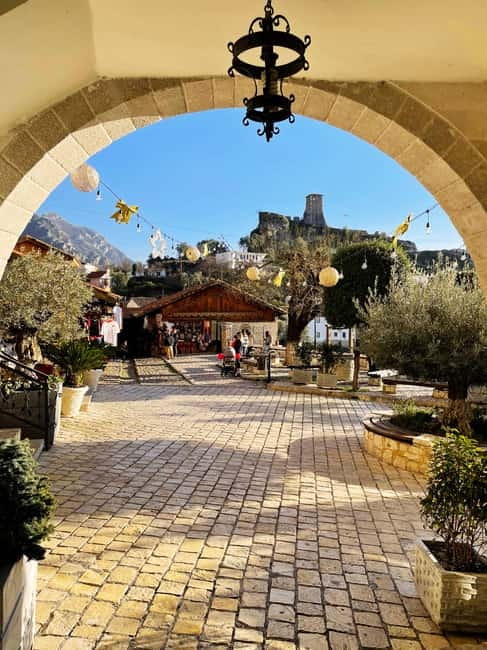
The final major area is Kruje, a mountain town tied closely to Skanderbeg and Albanian resistance to the Ottoman Empire. The castle area gives the day its strongest sense of place. You walk through the historic setting, visit museums, and have time to shop.
The Skanderbeg Museum focuses on the national hero and the resistance story introduced in Lezhe. Seeing both sites in one day helps connect the pieces. Lezhe gives you the mausoleum, while Kruje supplies the larger historical setting and museum presentation.
The Ethnographic Museum is a different kind of stop. It contains household and cultural objects, with almost all of its items original to the end of the 19th century. That makes the visit useful for understanding ordinary life, not just rulers and battles. I like this balance. A country’s past is found in kitchens, workshops, clothing, and tools as much as in castles.
The visit is listed at about an hour, followed by roughly 30 minutes for the Skanderbeg Museum, a break, or walking. In practice, your guide will have to manage the available time between museum visits and the bazaar. If you want to inspect every display or shop slowly, the schedule may feel short.
Kruje’s bazaar is the liveliest shopping stop of the day. It is lined with traditional handicrafts and souvenirs, so this is the natural place to look for something local to take home. You can browse rather than buy, but keep an eye on the departure time. Shopping is part of the plan, not an optional extra at the end of a museum visit.
The route may also reach Kruje around sunset, depending on traffic and the day’s pace. That can give the town a pleasant final look, but I would not count on a particular sunset view since road conditions affect the timing.
What the guide adds to the day
A route this full can become a blur of names unless the guide gives each place a clear purpose. That is why the guide quality matters more here than on a simple transfer.
Berty has received especially warm praise for explaining history and Albanian culture, adding personal opinions where useful, and staying patient, friendly, and available for questions. Another guide, Gleni, has also been praised for exceptional work. These details suggest that you should expect a conversational tour rather than a silent ride between monuments, although the exact guide depends on the day.
The language choices are English, Spanish, Italian, and German. Several of the strongest comments came from Italian and Spanish speakers, while English-language feedback also describes clear communication. If you want background on Albania beyond the basic dates, use the driving time to ask questions. The route gives the guide plenty of chances to connect the castle, church, museum, and bazaar.
A small group helps. With no more than eight people, you can usually hear the explanations more easily and ask for clarification without speaking across a crowded coach. It also makes the small van less burdensome during the long day. The vehicle cannot solve traffic, but it is a sensible format for this route.
Is $82 a fair price?
At $82 per person, the tour is not the cheapest way to see northern Albania. One Italian rating called the price somewhat high compared with other excursions. That concern is reasonable, especially because lunch is not included and the day includes a lot of driving.
The price becomes easier to justify if you value convenience. You receive pickup in Tirana, transportation, a guide, and attraction entry. You do not need to work out several intercity connections, arrange a car, or plan how to fit Shkoder, Lezhe, and Kruje together.
The small group also adds value. A maximum of eight is a better arrangement for a packed historical route than a large bus with fixed commentary. You are paying for the coordination as much as for the places themselves.
Lunch is your responsibility, so budget for it separately. The schedule includes a break, but no specific restaurant or meal is promised. Bring water and a few simple snacks if you prefer not to depend on the timing of the stop.
The strongest value comes if you have only a short stay in Albania and want a northern overview. If you are staying in Tirana for several days, you could compare the cost with arranging separate visits and spending longer in Shkoder or Kruje. The private approach might give you more control, but this tour removes much of the planning work.
Who should book this experience?
I would choose this tour if you want history, views, and cultural sites in one day, and you are comfortable with a full schedule. It suits first-time visitors based in Tirana who want to see beyond the capital without renting a car.
It also suits people who enjoy having a guide explain the links between places. Skanderbeg appears in both Lezhe and Kruje, while Rozafa Castle and Kruje Castle show how geography shaped defense and power. The museums add another layer, particularly the Marubi collection and the household objects in Kruje.
I would hesitate if you want a relaxed day. Shkoder may leave you wishing for more time, and traffic can stretch the road journey. I would also think twice if you have back problems, use a wheelchair, or dislike uphill walking.
Wear comfortable shoes, carry water, and protect yourself from the sun. Bring a camera, but leave smoking for later, since smoking is not allowed during the experience. The tour requires good weather, and a weather cancellation brings the choice of another date or a full refund. You can also cancel up to 24 hours ahead for a full refund, and reserve now while paying later.
Should you book the Shkoder, Lezhe, and Kruje tour?
Book it if your priority is seeing several important northern Albanian sites from a Tirana base without handling the transport yourself. Rozafa Castle and Kruje are the strongest reasons to go, while the guide’s cultural explanations can turn a fast route into a coherent day.
Skip it if you want to linger in Shkoder, spend a long afternoon shopping in Kruje, or avoid a lengthy road day. At $82, the tour is best value for a first visit, a small group, and a guide who can explain the connections between Albania’s castles, national hero, museums, and daily life.
FAQ
Where does the tour begin and end?
Pickup and return are in Tirana. You are picked up in front of your hotel, or on the closest main street near your address.
How long does the experience last?
It is a full-day experience. The exact starting time depends on availability when you book.
What places are included?
The route includes Shkoder, Rozafa Castle, Lezhe, Kruje Castle, the Skanderbeg Museum, and Kruje’s Ethnographic Museum. Gjuhadol and the Kruje Bazaar are also part of the sightseeing.
Is the Marubi Museum included?
The Marubi Museum is an optional visit. It houses an exhibition of old prints in Shkoder.
Is lunch included?
No. Lunch is not included in the price.
How many people can join the group?
The group has a maximum of eight participants.
Which languages are available?
The live guide service is available in English, Spanish, Italian, and German.
Is the tour suitable for people with mobility concerns?
The experience is not suitable for wheelchair users or people with back problems. Comfortable shoes are recommended because the day includes walking and hiking, including the visit to Rozafa Castle.
Just added around Tirana
- Zipline Tirana Adventure & Petrela Castle – With Transport★ 4.4 · 10 reviews
- Wine Tasting & Vineyards Escape near Tirana★ 4.9 · 8 reviews
- Wonderful Sunset and Dinner in the Castel Of Petrela★ 4.6 · 4 reviews
- Walking Tour in Tirana, Albania★ 3.7 · 28 reviews
- Vlora, Dhermi & Llogara Day Trip from Durrës or Golem★ 5.0 · 5 reviews
- From Tirana: Mount Dajti Adventure, Local Vibes & Cable Car opt★ 4.5 · 6 reviews
- Winetasting tour in Alpeta winery – Roshnik village by 1001 Albanian Adventures★ 5.0 · 26 reviews
- Day Tour to Petrela Castle and Zip Line Albania Adventure★ 5.0 · 10 reviews
1-Day Tours, compared.
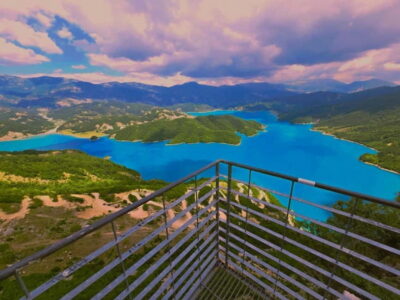
Bovilla Lake & Gamti Mountain Hiking Day Trip
Read our review →
Day Trip to Saranda and Butrint National Park from Corfu
Read our review →
Shala river & Komani lake -Day trip departure from Tirana/Shkodra
Read our review →
Durres city & Golem beach, Sun & History Day Trip
Read our review →
Browse the lists this tour appears in